
Living in Buenos Aires, Argentina: Expat Guide
The Paris of South America, grand Belle Époque boulevards, world-class steak, passionate tango, and an intellectual culture that makes it one of the hemisphere's great cities.
The Paris of South America, grand Belle Époque boulevards, world-class steak, passionate tango, and an intellectual culture that makes it one of the hemisphere's great cities.
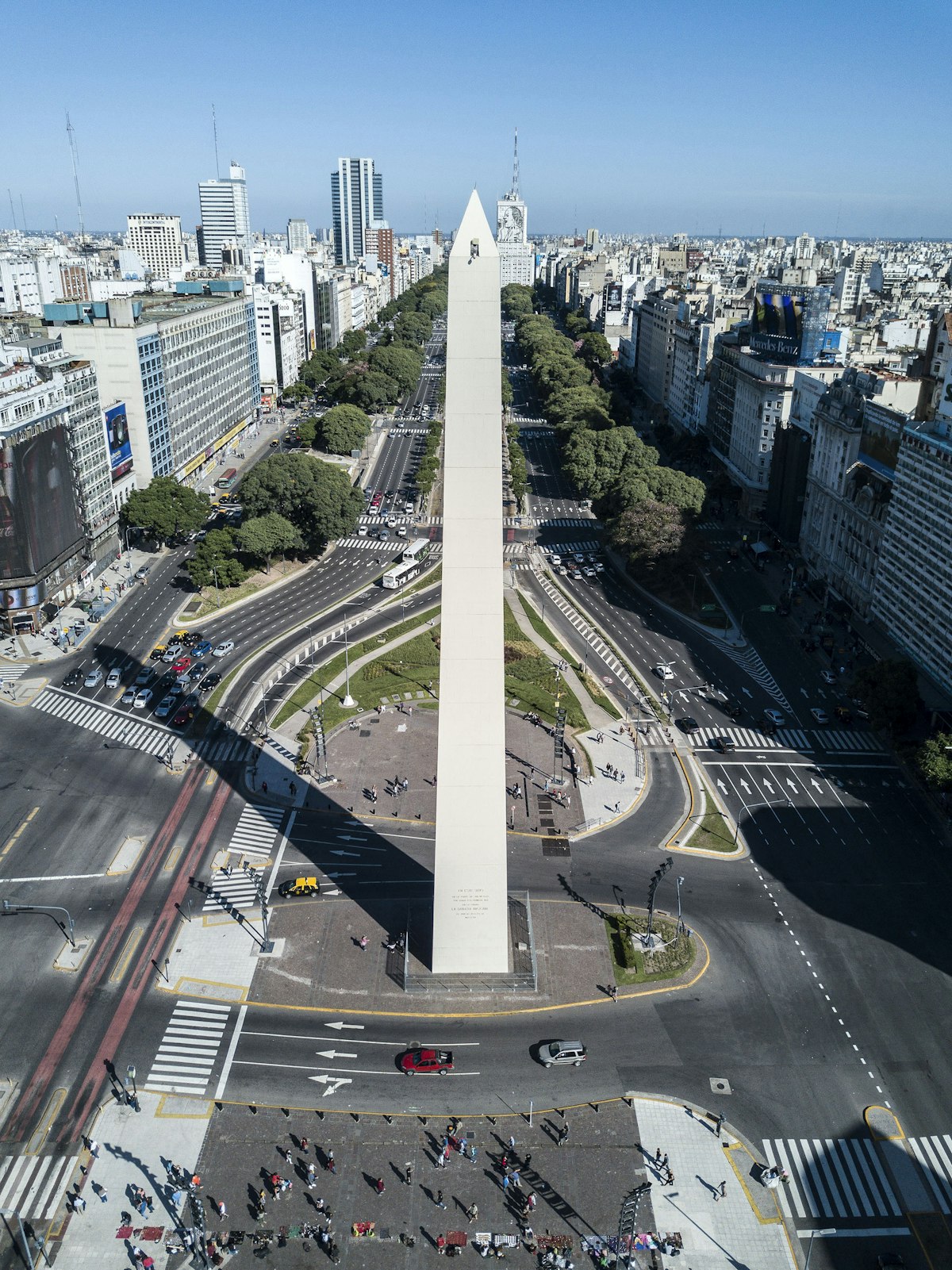
Living in Buenos Aires, Argentina means inhabiting one of the great cities of the world (European architecture, world-class beef and wine, tango as daily culture, and an intellectual social life that operates at a level disproportionate to the country's economic circumstances. Buenos Aires cost of living for USD earners runs $800–$2,200 per month) extraordinary value for the quality of life available. Expat life in Buenos Aires concentrates in Palermo, Recoleta, and San Telmo, each with distinct character. Moving to Buenos Aires from the US or Europe is operationally accessible; the Digital Nomad Visa provides a clear pathway. Spanish is not optional here, it is the city's currency, and those who invest in it describe BA transforming from a pleasant place to one of the most rewarding cities they have ever lived in.
Primary commute: Subte (Metro), Walk
City snapshot
This is usually where things get unclear.
Talk through your move with clarity
Free · 45 minutes
Get a clear read on your situation before you make a decision. We'll map what actually applies to you in Argentina, visa paths, cost reality, and the risks most people don't see coming.
Book a Call →Your personalized plan for Argentina
Your budget answers, mapped against the cities in Argentina: including this one: with neighborhood starting points and a clear cost picture for your move.
$49 · Delivered within 24 hours
City metrics
On the ground
Local Realities
Daily Life
- 01
Buenos Aires's barrios carry distinct identities. Palermo (international, creative, expensive), San Telmo (tango, antiques, older character), Recoleta (formal, Francophone, elegant), and Villa Crespo (local, young, emerging) each structure a different kind of expat life within the same city.
- 02
The Subte (metro) covers the downtown core well but becomes limited in the outer barrios. Palermo, Recoleta, and San Telmo are the most walkable neighborhoods for daily life.
Culture
- 03
The asado is the city's primary social institution, an invitation is genuine, showing up with wine and staying four hours is correct, and leaving before the dulce de leche is considered abrupt.
Reality
- 04
Argentine inflation runs high, peso-denominated savings lose value rapidly, and most expats hold earnings in USD accounts accessed through the informal exchange rate ecosystem.
- 05
Political and economic volatility are recurring features, not isolated events, exchange rate controls, policy reversals, and inflation spikes happen across governments. Build this into long-term planning.
Who thrives here
- Tango Lovers
- Foodies
- Dollar/Euro Earners
- Writers & Artists
Honest tradeoffs
- —Economic instability
- —Spanish essential
- —Peso volatility
- —Political cycles affect daily life
Typical housing options
Start here
Also worth knowing
Start with a short-term furnished rental for your first 4–8 weeks, it gives you time to explore neighborhoods in person before committing to a long-term lease.
More cities in Argentina


Recommended Guides
Guides to help you plan your move to Argentina.
The Full Cost of Living Abroad: What Budget Guides Leave Out
The costs that relocation budget guides consistently undercount, insurance, flights home, school fees, tax com…
Easiest Digital Nomad Visas Right Now
The digital nomad visas that are actually easy to obtain in 2026, with clear income requirements, straightforw…
Raising Children Abroad: A Realistic Family Relocation Guide
What raising children internationally actually involves, international school costs, pediatric healthcare, saf…
Best Countries for Remote Workers
The countries that have built genuine infrastructure for remote work: evaluated on visa frameworks, internet q…
You might also like
Cities with a similar feel across other destinations.


Frequently asked questions
How much does it cost to live in Buenos Aires?
Monthly budgets in Buenos Aires range from $800 to $2,200 for a comfortable lifestyle. Typical housing options include Palermo Apartments, Belle Époque Buildings, Modern Condos.
Is Buenos Aires good for expats?
Buenos Aires is particularly well-suited for Tango Lovers, Foodies, Dollar/Euro Earners, Writers & Artists. Key tradeoffs to be aware of: Economic instability; Spanish essential; Peso volatility; Political cycles affect daily life. The city scores 5/10 for English-friendliness, making day-to-day life easier with some knowledge of Argentina's local language.
How walkable is Buenos Aires?
Buenos Aires scores 8/10 for walkability and 7/10 for public transport. The primary commute mode is Subte (Metro), Walk. Ezeiza International (EZE) and Aeroparque (AEP).
Is Buenos Aires good for families?
Buenos Aires scores 8/10 for family-friendliness, 9/10 for education access, and 8/10 for healthcare access. It is part of Argentina, where international school costs run $330–$1,250/month. Buenos Aires has strong bilingual private schools that are genuinely affordable for USD earners, one of the best value propositions for expat families anywhere in the world.