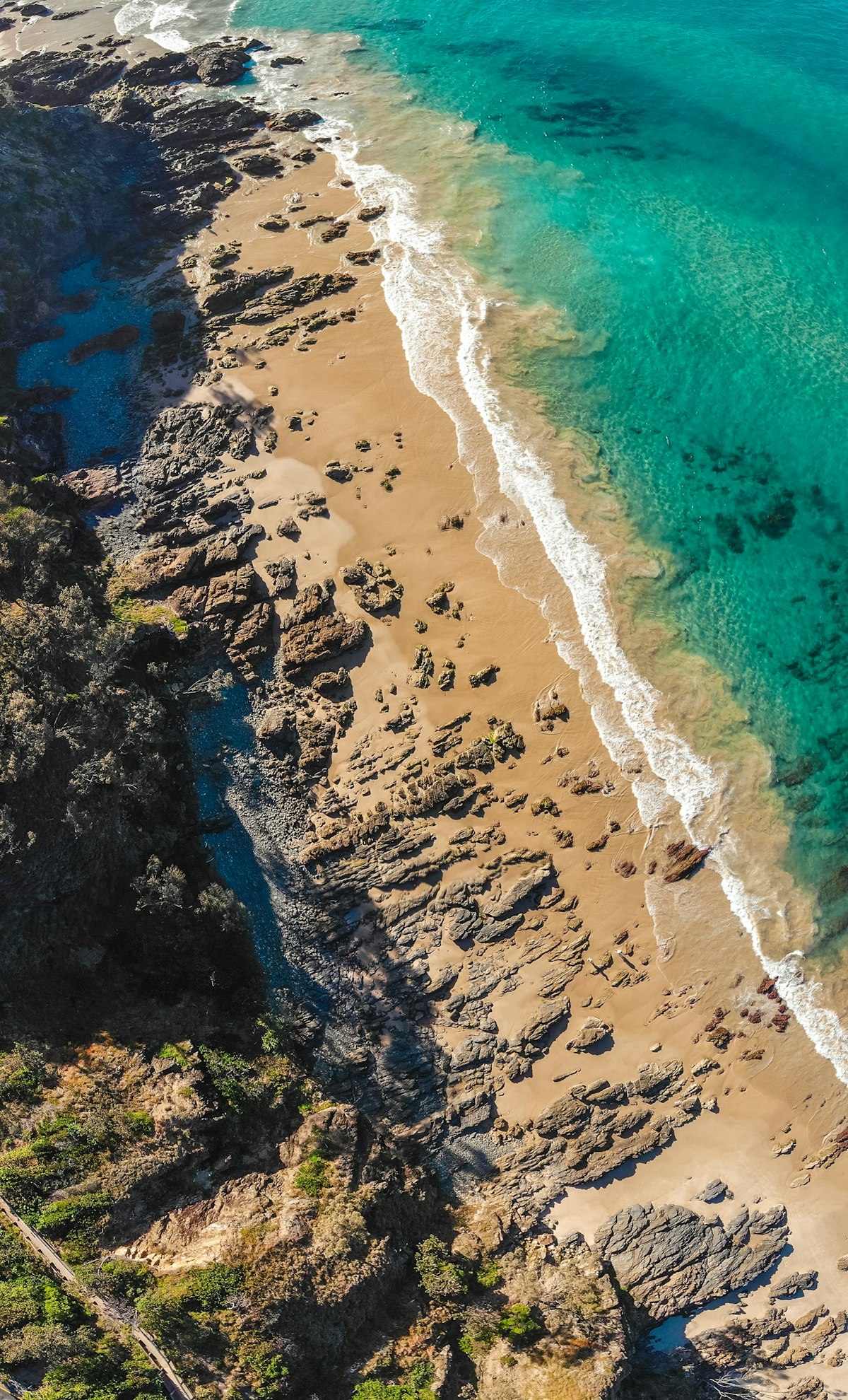
Moving to Mexico: Expat Guide & Relocation Hub
Monthly cost
$1,500–3,000
per month, expat lifestyle
Visa friction
Remote
Welcomed
Family fit
8/10
Language barrier
Moderate
Healthcare
7/10
Quick take
Rich culture, accessible visas, proximity to North America, and extraordinary cuisine make Mexico one of the most compelling relocations for North Americans, if you choose your city wisely..
Essential context
Before you move here
Cost
$1,500–$3,000/month covers a comfortable expat lifestyle. City-center rent typically runs $600–$1,500/month.
Visa path
Friction rated: Low, one of the more accessible paths in the region. Temporary Resident Visa is available.
Remote work
Remote income is welcomed. Broadband is rated fair, coworking widespread.
Healthcare
Quality scores 7/10. Private insurance typically runs $60–$200/month per person.
Daily life
Some language barrier, basic local study is helpful. Setting: Diverse, Cultural.
Mexico, through the lens
Low visa friction, $1,500–$3,000/mo, remote income welcomed, Mexico checks the core boxes.
Rich culture, accessible visas, proximity to North America, and extraordinary cuisine make Mexico one of the most compelling relocations for North Americans, if you choose your city wisely.
Moving to Mexico has become one of the most common relocation decisions for North Americans, and the reasons are clear: US time zones, close flights home, one of the world's great food cultures, and costs that remain dramatically lower than comparable US cities. The cost of living in Mexico City runs $1,500–$3,500 per month in established expat neighborhoods; beach destinations like Tulum and Puerto Vallarta have risen significantly due to demand but remain affordable by North American standards. The Mexico expat visa path is straightforward (the Temporary Resident Visa provides a clean four-year pathway to permanent residency, and remote income from abroad is generally not taxed as long as Mexican tax residency is managed carefully. Mexico for remote workers delivers on timezone, broadband, and coworking in the major cities; safety is hyper-local rather than national and requires specific neighborhood research rather than country-level generalization. Spanish is not mandatory in Mexico City's expat enclaves but is essential for genuine immersion and meaningful daily connection with the country's extraordinary culture.
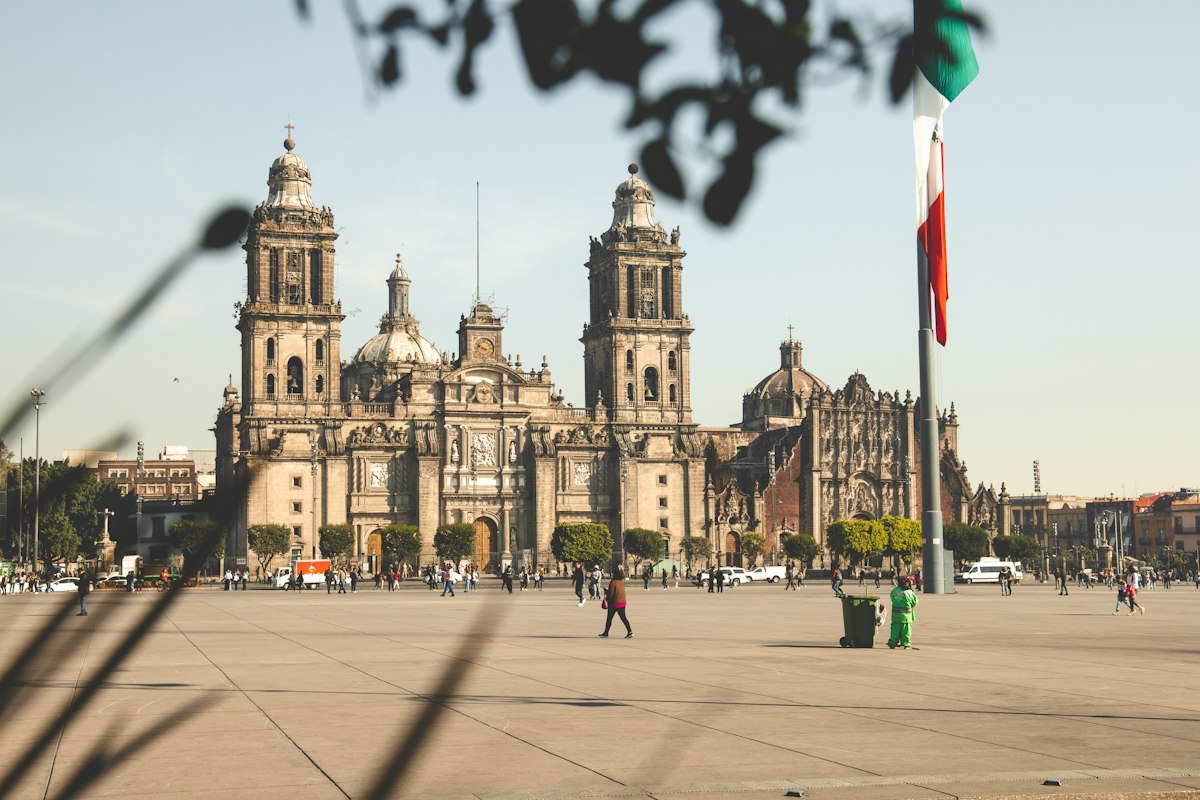
Mexico's geography means that the choice of city shapes the entire experience. Mexico City) CDMX (is the cultural capital of Latin America: Roma Norte, Condesa, and Polanco have a restaurant culture that rivals any city in the world, and the creative and tech expat scene is now substantial enough to constitute a genuine professional network. Oaxaca draws those who want artisan culture, mezcal, and one of the world's great food traditions at a fraction of the capital's cost. Mérida offers colonial architecture, a safe environment consistently ranked among Mexico's best, and a Gulf coast proximity that appeals to families. The Pacific coast cities) Puerto Vallarta, Sayulita, Mazatlán (serve lifestyle-first relocators who want beach access, surf, and warmth over metropolitan density. Each base comes with its own expat community, its own cost profile, and its own relationship with Mexican culture) the choice matters enormously.
Good for
Fit assessment
This move works well if you...
- ✓North Americans
- ✓Culture Enthusiasts
- ✓Foodies
- ✓Beach Lovers
- ✓Remote Workers near US timezone
Pause and reconsider if...
- —Safety varies considerably by region
- —Gentrification driving up costs in expat hubs
- —Infrastructure quality gap between cities
The full guide includes a "Not For You" section with detailed deal-breakers specific to Mexico. Download the guide →
Cost Breakdown (Monthly)
Typical monthly estimate for a single expat. Approximate costs in USD.
Rent (City Center)
1-bedroom, monthly
$600–$1,500
Rent (Outside Center)
1-bedroom, monthly
$400–$1,000
Groceries
single person, monthly
$200–$350
Dining Out
casual meals, monthly estimate
$5–$15
Utilities
electricity, water, internet
$60–$120
Transport
local transport, monthly
$25–$60
Approximate costs only. Local prices vary with exchange rates and neighborhood. Expat-heavy areas typically run higher.
Budget by household type
How much does it actually cost?
Solo
$1,500–$3,000
/month
Oaxaca or Mérida
Couple
$2,200–$4,500
/month
Mérida, Oaxaca, or outer CDMX
Family of 4
$3,800–$7,500
/month
CDMX, Mérida, or Guadalajara
Ranges based on EMELA research. Actual costs vary by city, lifestyle, and housing choice. Build your personal estimate →
Work & visa readiness
Easy path, remote income welcomed, straightforward residency options
Mexico's Temporary Resident Visa is renewable and straightforward with sufficient income. Monthly income requirement is approximately MXN 26,508/month or savings of ~MXN 667,000. No dedicated digital nomad visa, but temporary residency effectively serves this purpose for remote workers.
Programs & incentives
- Temporary Resident Visa
- Permanent Resident Visa (after 4 years)
Visa assistance
Need help with visas?
Navigating Mexico's visa process can involve document checklists, translations, and specific submission windows.
Check visa options →Quality of Life
How life actually feels here
Daily Life
Moderate, study helps
Family
Mobility
Airport access
Excellent connectivity to the US and Canada. Mexico City, Cancún, and Guadalajara offer broad international routes.
Social reality for newcomers
Mexico City, Guadalajara, Oaxaca, and the Pacific Coast have absorbed large expat communities and are socially welcoming of most backgrounds. Foreign status often carries implicit purchasing power, which shapes warm service and daily interaction. Black American and Afro-Caribbean expats in urban Mexico City generally report a relaxed and curious social environment, often more comfortable than comparable cities in the US. Interracial couples are unremarkable in major cities and expat-heavy towns. Traditional interior regions and smaller cities are more conservative socially, with less daily exposure to visible diversity. Same-sex couples navigate Mexico City and Guadalajara well but face more caution in rural and traditional areas.
City and rural experience vary significantly here, urban and smaller-town life can feel quite different.
Healthcare (Expat Reality)
Typical costs for private care. Not medical advice, ranges are approximate.
Monthly insurance
$60–$200
private health insurance, per person
Doctor visit
$20–$65
general practitioner, out-of-pocket
Major procedures
Major procedures are available at private hospitals at 30-50% of equivalent U.S. costs.
Private care in Mexico City and Guadalajara is modern and significantly more affordable than in the U.S.
International school costs
Typical annual tuition
$5,000 – $20,000
per year, international schools
Approximate monthly equivalent
$400 – $1,650
per child, per month
Expat reality
Mexico City, Monterrey, and Guadalajara have good international school options, quality varies widely and costs are reasonable by global standards.
Ranges reflect international / private schools. Public schooling is available at little or no cost in most countries.
On the ground
Local Realities
Daily Life
- 01
Filtered water is standard throughout Mexico, this applies to ice, raw vegetables, and many street stalls.
- 02
Mexico City's altitude (2,240m) affects most arrivals for the first week or two, reduced stamina and disrupted sleep are common.
Culture
- 03
Bureaucracy moves on relationships, a recommendation from a trusted local can compress weeks of process into days.
- 04
Business meetings open with personal conversation, moving to the agenda too quickly reads as impolite.
Reality
- 05
Safety is hyper-local, two neighborhoods in the same city can feel like different worlds. Research specific colonias, not just cities.
The honest reality check
Safety varies significantly by region and neighborhood (research specific areas carefully. Some popular expat cities (CDMX Roma/Condesa, Tulum) have been gentrifying rapidly, pushing up costs and pushing out locals. Many expats live in a parallel economy that never requires Spanish) which limits integration.
Common tradeoffs to expect
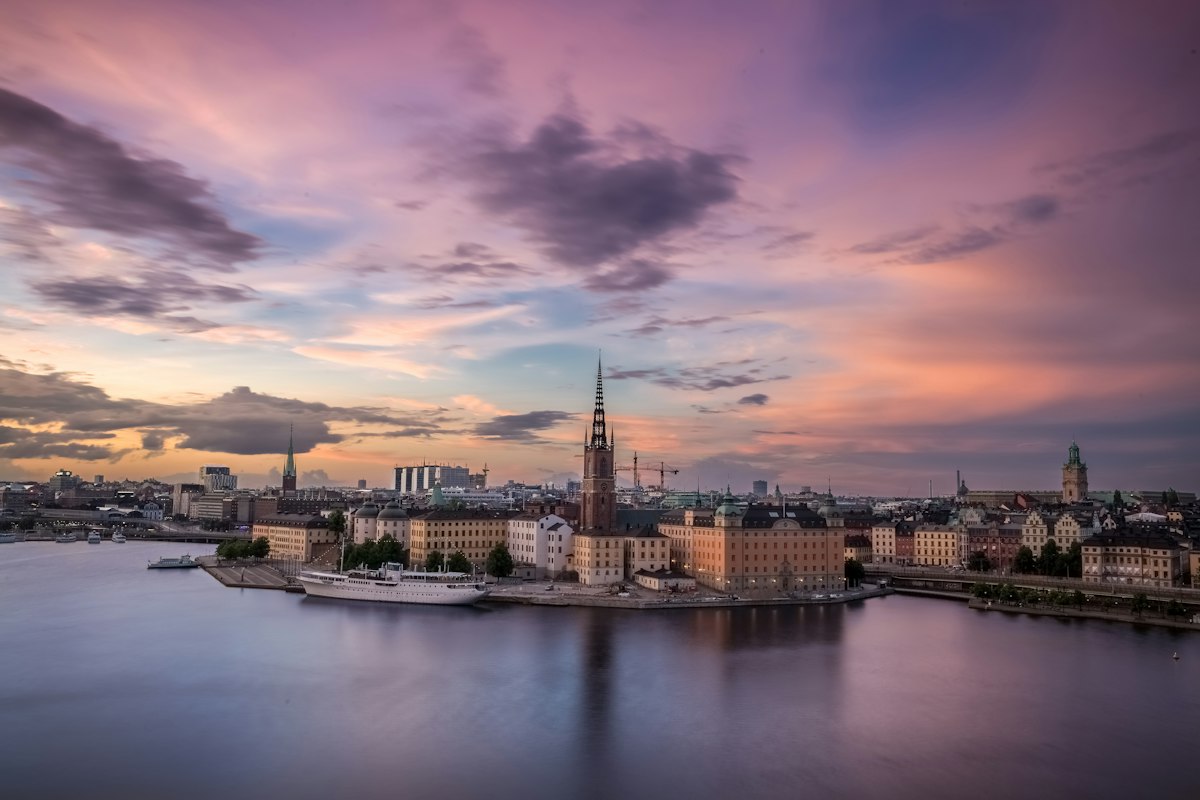
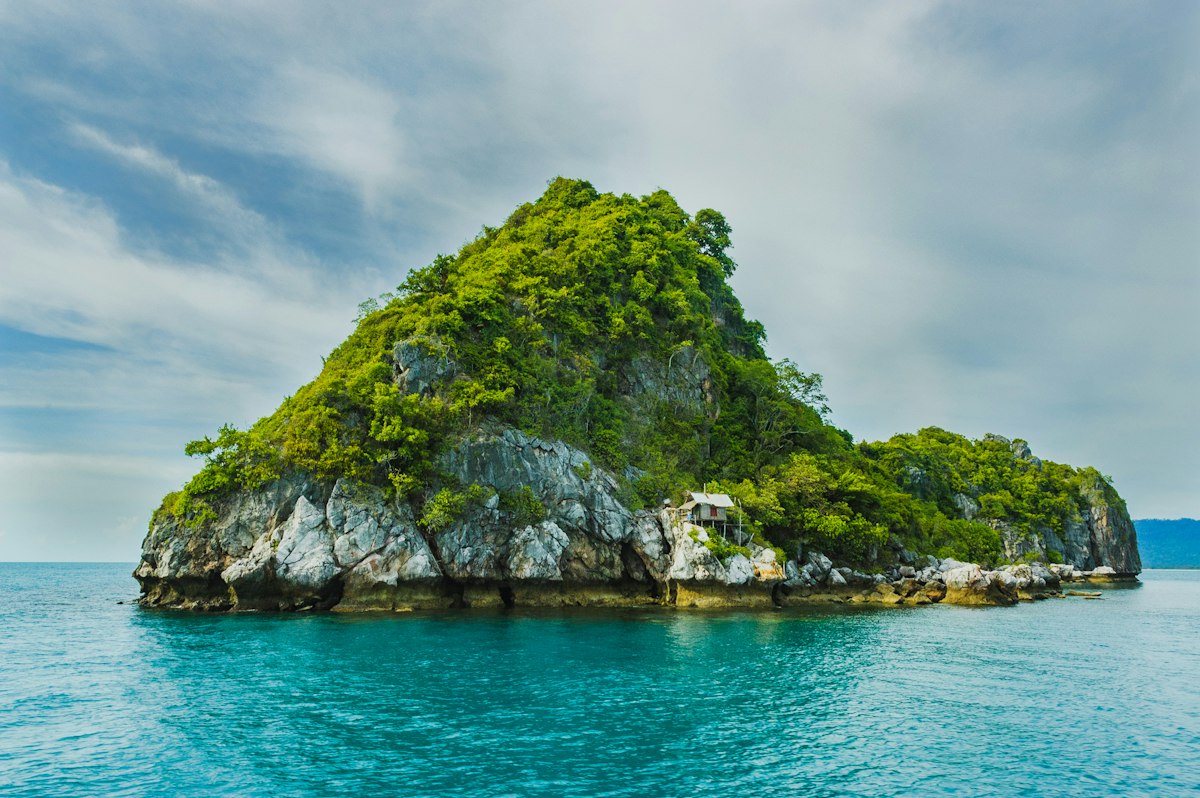
Cities in Mexico


Start here
The guides most relevant to your move.
The Full Cost of Living Abroad: What Budget Guides Leave Out
The costs that relocation budget guides consistently undercount, insurance, flights home, school fees, tax compliance, i…
Easiest Digital Nomad Visas Right Now
The digital nomad visas that are actually easy to obtain in 2026, with clear income requirements, straightforward applic…
Raising Children Abroad: A Realistic Family Relocation Guide
What raising children internationally actually involves, international school costs, pediatric healthcare, safety, socia…
Best Countries for Remote Workers
The countries that have built genuine infrastructure for remote work: evaluated on visa frameworks, internet quality, ti…
The Mexico Relocation Guide, 2026
Research-grade · Delivered to your email
What's inside
- Budget breakdown by household type (Solo, Couple, Family)
- Visa pathway comparison with income requirements
- City deep-dives, 4 cities with neighborhood picks
- 90-day landing plan (Day 1–30, 31–60, 61–90)
- Banking, tax ID & lease practicalities
- Common mistakes and how to avoid them
- Monthly budget
- $1,500–$3,000 / month
- Visa complexity
- low
Free · No paywall · Sent to your inbox
Typical housing
Other details
Prominent religion
Roman Catholic
Cannabis status
Cannabis: DecriminalizedStart here
Also worth knowing
Mexico City neighborhoods vary dramatically: Roma/Condesa runs $1,200–$2,500 USD/mo furnished; Coyoacán and Narvarte are 20–35% cheaper. Oaxaca, Mérida and Guadalajara offer significantly lower rents.
Personal income tax rate
1.92–35% on Mexico-sourced income; foreign income generally exempt
Mexico uses a territorial system, foreign income not derived from Mexican sources is not taxed. Remote workers earning from foreign clients generally have no Mexican income tax liability, though this is technically a grey area for long-term residents.
Tax laws change, verify current rules with a qualified tax adviser familiar with Mexico.
Legal status
Same-sex marriage legal nationwide since 2022 (Supreme Court ruling)
Mexico City, Puerto Vallarta, and Tulum are openly LGBTQ+-welcoming. Northern and rural states are considerably more conservative. Urban Mexico is broadly tolerant; outside cities, attitudes vary significantly.
Broadband
FairMobile data
FairCoworking spaces
WidespreadTypical coworking day pass
$10–$25 USD/day
Required vaccinations / documents
Health certificate from a licensed vet and proof of rabies vaccination required. No quarantine. Import process is straightforward. Mexico is very pet-friendly in daily life, dogs are common in markets, restaurants, and parks in expat areas.
Summary only, verify current official requirements before travel.
Practical tools
International Banking
Moving money across borders
Most people relocating abroad open a multi-currency account before they arrive. It handles international transfers more cleanly than a domestic bank and avoids the conversion fees that add up quickly.
See how Wise works →International Health Insurance
Health coverage for long-term expats
Standard travel insurance typically does not cover long-term residency abroad. Expat-specific health coverage is worth reviewing early — before any pre-existing conditions become a documentation issue.
Review SafetyWing coverage →
Next Step
Get clear before you decide
Most people reach this point and realize the details matter more than expected, visas, real costs, and what actually applies to them. This is where we help you make a confident decision.
Talk through your move with clarity
Apply for a free 30 minute call with one of our relocation specialists
Apply for a Call →Your personalized plan for Mexico
City comparisons and neighborhood starting points, built around your quiz and budget answers.
$49 · Delivered within 24 hours
Quick reference · 2026
Mexico. Key facts for expats
Monthly budget (solo)
$1,500–$3,000
Visa entry
Low friction
Remote-work readiness
Remote income welcomed · Broadband: fair
Best city for remote workers
Family viability
Highly family-friendly (8/10) · Healthcare: 7/10
Tax system
territorial · Resident after 183 days
Why people move to Mexico in 2026
Moving to Mexico has become one of the most common relocation decisions for North Americans, and the reasons are clear: US time zones, close flights home, one of the world's great food cultures, and costs that remain dramatically lower than comparable US cities. The cost of living in Mexico City runs $1,500–$3,500 per month in established expat neighborhoods; beach destinations like Tulum and Puerto Vallarta have risen significantly due to demand but remain affordable by North American standards. The Mexico expat visa path is straightforward (the Temporary Resident Visa provides a clean four-year pathway to permanent residency, and remote income from abroad is generally not taxed as long as Mexican tax residency is managed carefully. Mexico for remote workers delivers on timezone, broadband, and coworking in the major cities; safety is hyper-local rather than national and requires specific neighborhood research rather than country-level generalization. Spanish is not mandatory in Mexico City's expat enclaves but is essential for genuine immersion and meaningful daily connection with the country's extraordinary culture. Mexico's geography means that the choice of city shapes the entire experience. Mexico City) CDMX (is the cultural capital of Latin America: Roma Norte, Condesa, and Polanco have a restaurant culture that rivals any city in the world, and the creative and tech expat scene is now substantial enough to constitute a genuine professional network. Oaxaca draws those who want artisan culture, mezcal, and one of the world's great food traditions at a fraction of the capital's cost. Mérida offers colonial architecture, a safe environment consistently ranked among Mexico's best, and a Gulf coast proximity that appeals to families. The Pacific coast cities) Puerto Vallarta, Sayulita, Mazatlán (serve lifestyle-first relocators who want beach access, surf, and warmth over metropolitan density. Each base comes with its own expat community, its own cost profile, and its own relationship with Mexican culture) the choice matters enormously.
Frequently asked questions
How much does it cost to live in Mexico?
Living in Mexico typically costs $1,500–$3,000 per month for a comfortable expat lifestyle. A one-bedroom apartment in the city center rents for $600–$1,500/month; outside the center, expect $400–$1,000/month. Monthly groceries run $200–$350 and transport around $25–$60.
What visa do I need to move to Mexico?
Mexico's Temporary Resident Visa is renewable and straightforward with sufficient income. Monthly income requirement is approximately MXN 26,508/month or savings of ~MXN 667,000. No dedicated digital nomad visa, but temporary residency effectively serves this purpose for remote workers. Available relocation programs include: Temporary Resident Visa, Permanent Resident Visa (after 4 years).
Is Mexico good for remote workers?
Mexico is well-suited for remote workers. Internet infrastructure is rated fair, with coworking spaces widespread across the country at approximately $10–25/day. Mobile data reliability is fair.
What is healthcare like in Mexico for expats?
Mexico scores 7/10 for healthcare quality. Private care in Mexico City and Guadalajara is modern and significantly more affordable than in the U.S. Expat health insurance typically costs $60–$200/month, with a typical doctor visit around $20–$65.
What are the tax implications of moving to Mexico?
Mexico uses a territorial system, foreign income not derived from Mexican sources is not taxed. Remote workers earning from foreign clients generally have no Mexican income tax liability, though this is technically a grey area for long-term residents. Mexico uses a territorial income tax system with personal rates of 1.92–35% on Mexico-sourced income; foreign income generally exempt. Tax residency is generally triggered after 183 days in-country.
Similar destinations to consider


Quick take
Rich culture, accessible visas, proximity to North America, and extraordinary cuisine make Mexico one of the most compelling relocations for North Americans, if you choose your city wisely..
Best for
Thinking About Making The Move? We're Here to Help.
Talk through your move with clarity
Apply for a free 30 minute call with one of our relocation specialists
We'll break down what actually applies to you, visa paths, real costs, and the risks most people don't see coming.
Apply for a Call →Your personalized plan for Mexico
Your quiz and budget answers, mapped against the main cities: with neighborhood starting points and a realistic cost picture for your situation.
$49 · Delivered within 24 hours