
Living in Lima, Peru: Expat Guide
One of the world's great gastronomic capitals.
One of the world's great gastronomic capitals. Lima's Miraflores and Barranco districts offer Pacific cliffs, Michelin-level food at accessible prices, and an established expat community in one of South America's most surprisingly livable cities.
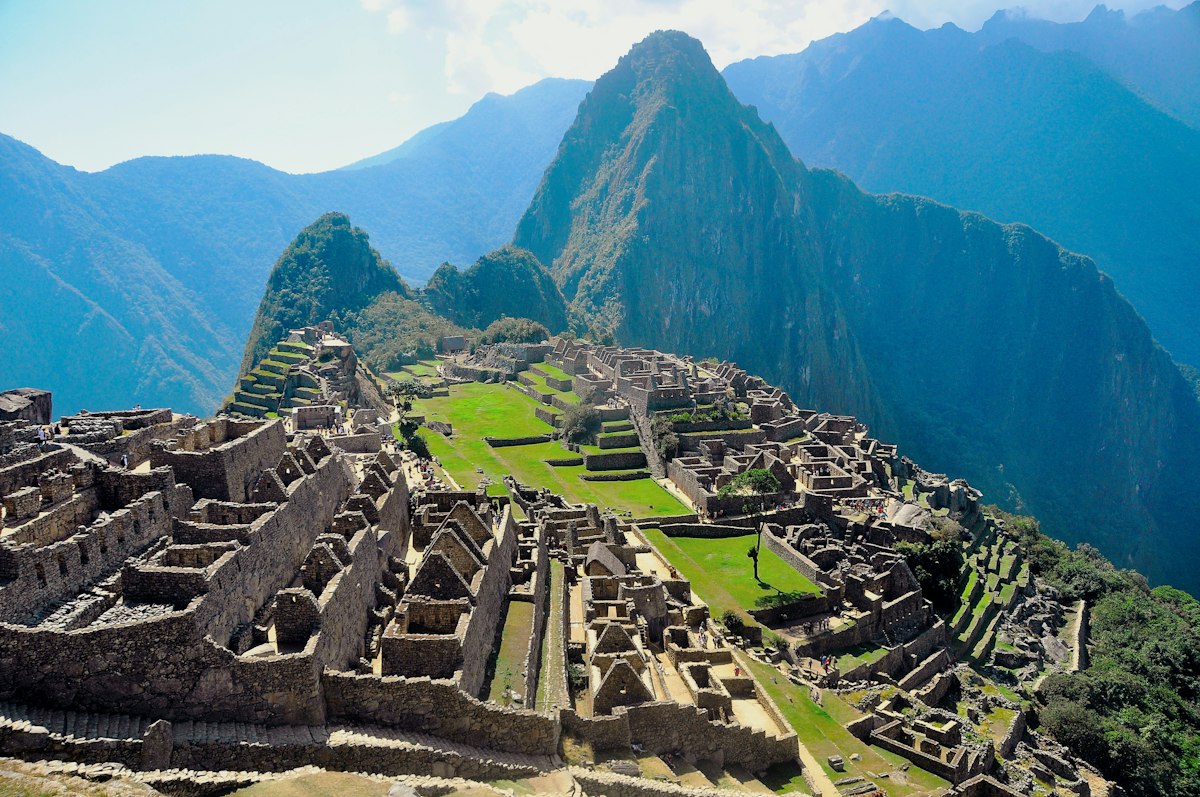
Living in Lima, Peru means living in one of the world's great food cities, a place with more restaurants in the World's 50 Best than almost anywhere else, where ceviche is made with tiger's milk and lime-cured corvina rather than anything you've had before, and where street food from a cevichería in Miraflores costs $5 for something extraordinary. Moving to Lima cost of living runs $900–$2,200 per month. Expat life centers on Miraflores (residential, cliff-top parks, good supermarkets) and Barranco (bohemian, arts scene, weekend nightlife). The Pacific highway offers surf access within 40 minutes; Machu Picchu is a flight away.
Primary commute: Grab, Bus (Metropolitano), Walk (Miraflores/Barranco)
City snapshot
This is usually where things get unclear.
Talk through your move with clarity
Free · 45 minutes
Get a clear read on your situation before you make a decision. We'll map what actually applies to you in Peru, visa paths, cost reality, and the risks most people don't see coming.
Book a Call →Your personalized plan for Peru
Your budget answers, mapped against the cities in Peru: including this one: with neighborhood starting points and a clear cost picture for your move.
$49 · Delivered within 24 hours
City metrics
On the ground
Local Realities
Daily Life
- 01
The grey garúa (Lima's low coastal fog from May to November) casts a soft light over Miraflores and never quite becomes rain. This surprises arrivals expecting tropical Peru; Lima's coast is arid and grey, nothing like the highlands.
- 02
Lima's food culture extends from the humblest anticucho cart to Central (ranked among the world's best), residents engage with the full spectrum rather than confining themselves to either extreme.
Culture
- 03
Barranco (Lima's bohemian southern district) has the Puente de los Suspiros, a music scene, galleries, and a slower residential character that provides a counterpoint to Miraflores' commercial energy. The two neighborhoods function as complementary halves of expat Lima life.
Reality
- 04
Traffic in Lima is genuinely challenging, the Metropolitano BRT covers some routes efficiently, but most commutes involve Grab or taxi. Neighborhood selection relative to your daily route is important.
Who thrives here
- Food Lovers
- Adventure Travelers
- Remote Workers
- South America Explorers
Honest tradeoffs
- —Traffic
- —Grey skies much of the year
- —Language barrier
- —Political instability context
Typical housing options
Start here
Also worth knowing
Lima's Miraflores and San Isidro are Peru's most expensive districts: $600–$1,400 USD/mo for a furnished apartment. Barranco and Surco are 20–30% cheaper with a lively local culture.

More cities in Peru

Recommended Guides
Guides to help you plan your move to Peru.
The Full Cost of Living Abroad: What Budget Guides Leave Out
The costs that relocation budget guides consistently undercount, insurance, flights home, school fees, tax com…
Easiest Digital Nomad Visas Right Now
The digital nomad visas that are actually easy to obtain in 2026, with clear income requirements, straightforw…
Raising Children Abroad: A Realistic Family Relocation Guide
What raising children internationally actually involves, international school costs, pediatric healthcare, saf…
Best Countries for Remote Workers
The countries that have built genuine infrastructure for remote work: evaluated on visa frameworks, internet q…
You might also like
Cities with a similar feel across other destinations.


Frequently asked questions
How much does it cost to live in Lima?
Monthly budgets in Lima range from $900 to $2,200 for a comfortable lifestyle. Typical housing options include Modern Apartments, Colonial Houses (Barranco), Suburban Homes.
Is Lima good for expats?
Lima is particularly well-suited for Food Lovers, Adventure Travelers, Remote Workers, South America Explorers. Key tradeoffs to be aware of: Traffic; Grey skies much of the year; Language barrier; Political instability context. The city scores 5/10 for English-friendliness, making day-to-day life easier with some knowledge of Peru's local language.
How walkable is Lima?
Lima scores 6/10 for walkability and 5/10 for public transport. The primary commute mode is Grab, Bus (Metropolitano), Walk (Miraflores/Barranco). Jorge Chávez International (LIM), 30–60 min.
Is Lima good for families?
Lima scores 7/10 for family-friendliness, 7/10 for education access, and 7/10 for healthcare access. It is part of Peru, where international school costs run $330–$1,250/month. Lima has several English-medium international schools in Miraflores and San Isidro. Costs are moderate compared to Western peers.