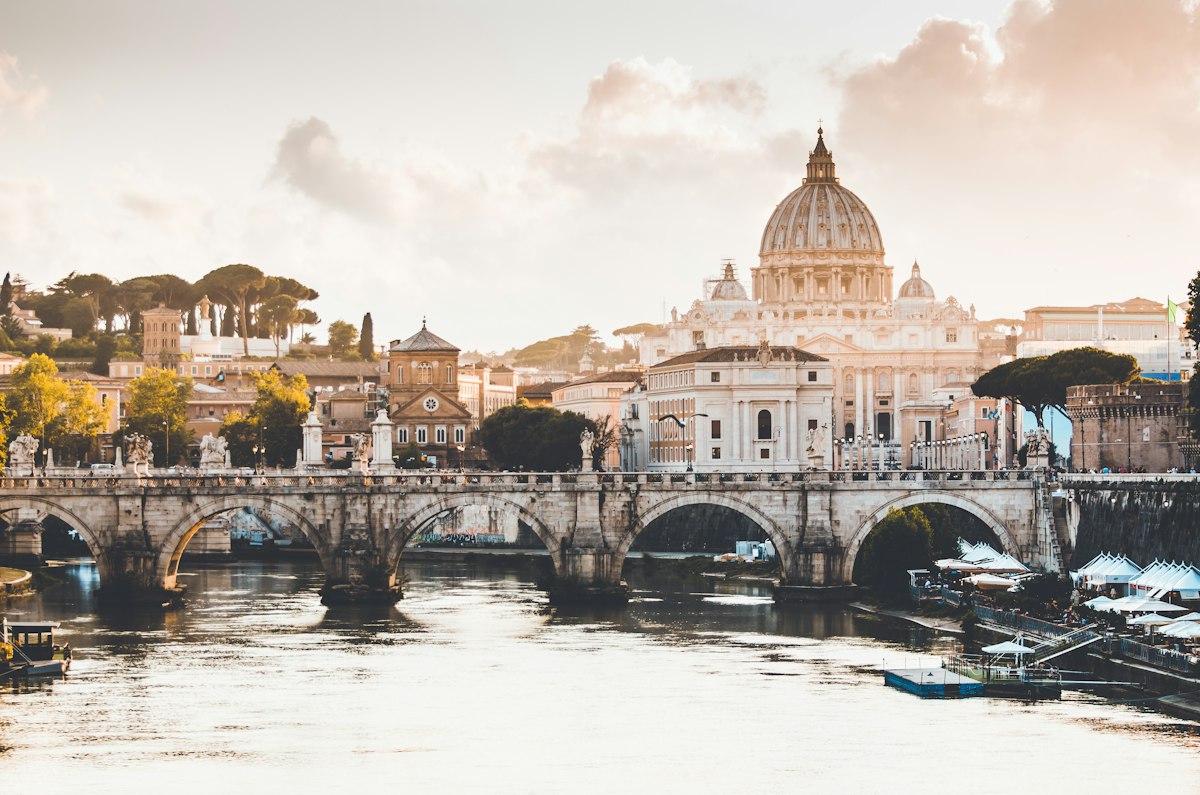
Living in Rome, Italy: Expat Guide
The Eternal City, a living museum where the ancient and modern coexist in extraordinary tension.
The Eternal City, a living museum where the ancient and modern coexist in extraordinary tension. Rewarding for those willing to navigate its beautiful chaos.
Living in Rome, Italy means having the Colosseum as a 20-minute walk from your apartment and the Vatican five minutes beyond that (but the lived reality is less cinematic and more extraordinary in different ways. Expat life in Rome concentrates in Trastevere, Prati, and increasingly Pigneto and Testaccio, which offer authentic Roman character without the tourist premium. Moving to Rome cost of living runs €2,200–€4,500 per month. Italian is not optional for anything beyond the surface) the bureaucracy, the neighborhood markets, the restaurant you return to because the owner knows your order. Rome's chaos is a genuine operating system, not a flaw: those who adapt to it describe a city that delivers daily on beauty, food, and human warmth in a way no other European capital quite matches.
Primary commute: Metro (limited), Bus, Walk
City snapshot
This is usually where things get unclear.
Talk through your move with clarity
Free · 45 minutes
Get a clear read on your situation before you make a decision. We'll map what actually applies to you in Italy, visa paths, cost reality, and the risks most people don't see coming.
Book a Call →Your personalized plan for Italy
Your budget answers, mapped against the cities in Italy: including this one: with neighborhood starting points and a clear cost picture for your move.
$49 · Delivered within 24 hours
City metrics
On the ground
Local Realities
Daily Life
- 01
Rome's public transport is limited relative to its size, the Metro has only two useful lines, and most residents walk, scooter, or use a bike for daily movement.
- 02
Tourist density in the center is not seasonal, the Colosseum, Vatican, and Trevi Fountain are crowded year-round, and most residents structure their movement to avoid these zones.
Culture
- 03
Roman identity is distinct from Italian, the city has its own dialect and references, and a dry, sharp wit that takes time to read. Italian from elsewhere is occasionally gently mocked.
Reality
- 04
Bureaucracy in Rome is among the most challenging in Italy, registering residency, opening a bank account, and obtaining documents can require multiple appointments and informal help.
Who thrives here
- History Enthusiasts
- Art Lovers
- Foodies
- Catholic Heritage Seekers
Honest tradeoffs
- —Tourist overcrowding
- —Bureaucracy very challenging
- —Italian required for full integration
Typical housing options
Start here
Also worth knowing
Milan is Italy's most expensive city: €1,300–€2,200/mo for a furnished 1-bedroom in central zones. Rome runs €1,000–€1,800. Florence, Bologna and Turin are 20–30% cheaper. Southern cities and smaller towns are significantly more affordable.
More cities in Italy


Recommended Guides
Guides to help you plan your move to Italy.
The Full Cost of Living Abroad: What Budget Guides Leave Out
The costs that relocation budget guides consistently undercount, insurance, flights home, school fees, tax com…
Easiest Digital Nomad Visas Right Now
The digital nomad visas that are actually easy to obtain in 2026, with clear income requirements, straightforw…
Raising Children Abroad: A Realistic Family Relocation Guide
What raising children internationally actually involves, international school costs, pediatric healthcare, saf…
Best Countries for Remote Workers
The countries that have built genuine infrastructure for remote work: evaluated on visa frameworks, internet q…
You might also like
Cities with a similar feel across other destinations.



Frequently asked questions
How much does it cost to live in Rome?
Monthly budgets in Rome range from $2,200 to $4,500 for a comfortable lifestyle. Typical housing options include Historic Apartments, Renovated Palazzo Flats, Modern Condos.
Is Rome good for expats?
Rome is particularly well-suited for History Enthusiasts, Art Lovers, Foodies, Catholic Heritage Seekers. Key tradeoffs to be aware of: Tourist overcrowding; Bureaucracy very challenging; Italian required for full integration. The city scores 6/10 for English-friendliness, making day-to-day life easier with some knowledge of Italy's local language.
How walkable is Rome?
Rome scores 7/10 for walkability and 6/10 for public transport. The primary commute mode is Metro (limited), Bus, Walk. Fiumicino Airport (45 min).
Is Rome good for families?
Rome scores 8/10 for family-friendliness, 8/10 for education access, and 8/10 for healthcare access. It is part of Italy, where international school costs run $800–$2,900/month. Milan and Rome have quality international schools with strong demand, costs are on the higher end of European norms.