Living in Santa Teresa, Costa Rica: Expat Guide
Nicoya Peninsula's jewel, a rustic surf and wellness village that has attracted a high-end international community without yet losing its soul.
Nicoya Peninsula's jewel, a rustic surf and wellness village that has attracted a high-end international community without yet losing its soul.
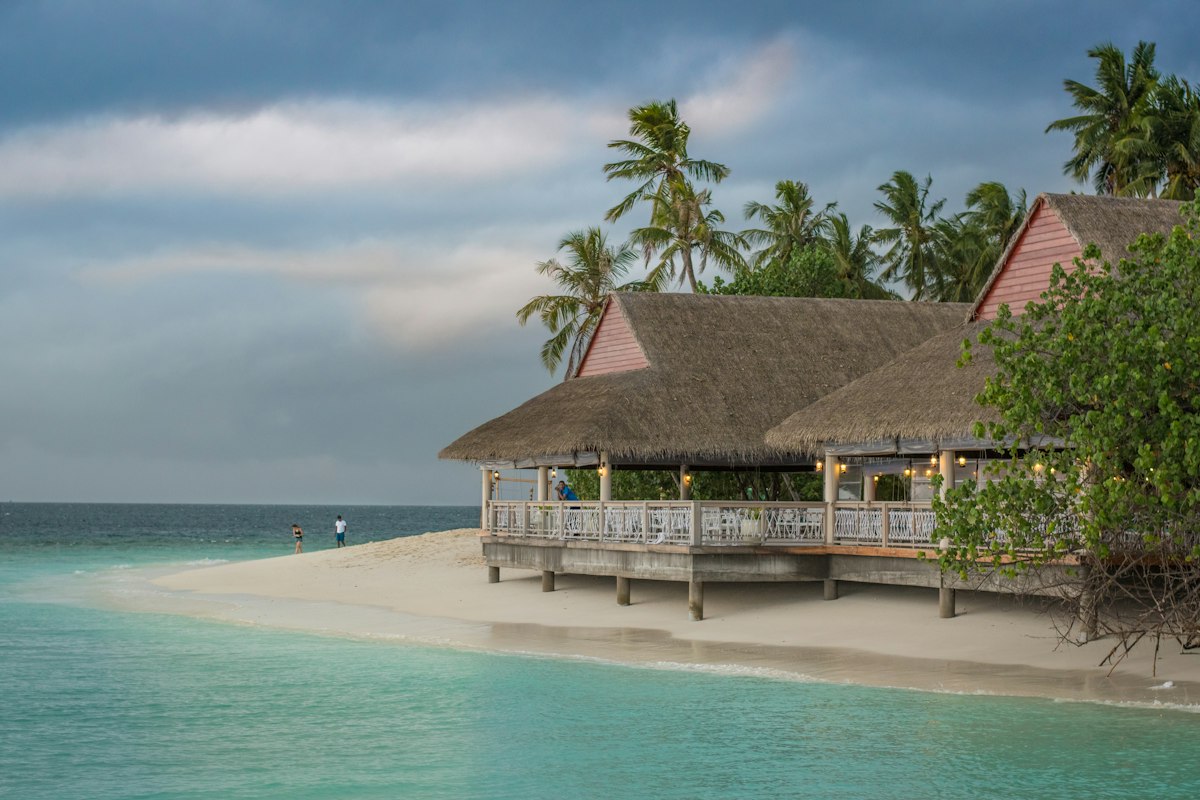
Living in Santa Teresa, Costa Rica means choosing rustic luxury at the end of a long dirt road, and the community that makes it worth it. Santa Teresa cost of living runs $2,500–$5,000 per month for a genuine quality of life amid the Nicoya Peninsula's remarkable landscape. Expat life in Santa Teresa is defined by surfers, remote workers, and wellness practitioners from across the world who chose place over convenience. Moving to Santa Teresa requires accepting genuine remoteness: the road floods in rainy season, ATV is the practical transport, and serious healthcare requires a long journey. What it returns is one of Central America's most beautiful surf coasts and a community built around it.
Primary commute: ATV, Bicycle
City snapshot
This is usually where things get unclear.
Talk through your move with clarity
Free · 45 minutes
Get a clear read on your situation before you make a decision. We'll map what actually applies to you in Costa Rica, visa paths, cost reality, and the risks most people don't see coming.
Book a Call →Your personalized plan for Costa Rica
Your budget answers, mapped against the cities in Costa Rica: including this one: with neighborhood starting points and a clear cost picture for your move.
$49 · Delivered within 24 hours
City metrics
On the ground
Local Realities
Daily Life
- 01
Santa Teresa's main dirt road is the town's spine, it floods in rainy season, and a 4x4 or ATV is the practical standard for getting around.
- 02
Internet quality has improved but remains inconsistent, most remote workers test connectivity seriously before committing to a lease and carry a backup cellular plan.
Culture
- 03
Santa Teresa is internationally mixed in a way few beach towns are. Brazilians, Israelis, Argentines, and Europeans coexist without many ties to the local Tico population.
Reality
- 04
Healthcare access is genuinely limited, the nearest hospital is in Puntarenas (1.5 hours by ferry) or San José (4.5 hours). Most residents with serious medical needs leave the area.
Who thrives here
- Surfers
- Wellness Communities
- Remote Workers
- Nature Lovers
Honest tradeoffs
- —Very remote
- —Dirt roads limit access in rainy season
- —Minimal healthcare
- —High cost for the remoteness
Typical housing options
Start here
Also worth knowing
San José suburbs like Escazú and Santa Ana range $800–$1,800 USD/mo for a furnished 2-bedroom. The beach towns (Tamarindo, Nosara, Puerto Viejo) are highly seasonal, long-term rates can be 40% below peak tourist prices.
More cities in Costa Rica


Recommended Guides
Guides to help you plan your move to Costa Rica.
The Full Cost of Living Abroad: What Budget Guides Leave Out
The costs that relocation budget guides consistently undercount, insurance, flights home, school fees, tax com…
Easiest Digital Nomad Visas Right Now
The digital nomad visas that are actually easy to obtain in 2026, with clear income requirements, straightforw…
Raising Children Abroad: A Realistic Family Relocation Guide
What raising children internationally actually involves, international school costs, pediatric healthcare, saf…
Best Countries for Remote Workers
The countries that have built genuine infrastructure for remote work: evaluated on visa frameworks, internet q…
You might also like
Cities with a similar feel across other destinations.

Frequently asked questions
How much does it cost to live in Santa Teresa?
Monthly budgets in Santa Teresa range from $2,200 to $4,500 for a comfortable lifestyle. Typical housing options include Surf Houses, Villas, Jungle Cabins.
Is Santa Teresa good for expats?
Santa Teresa is particularly well-suited for Surfers, Wellness Communities, Remote Workers, Nature Lovers. Key tradeoffs to be aware of: Very remote; Dirt roads limit access in rainy season; Minimal healthcare; High cost for the remoteness. The city scores 9/10 for English-friendliness, making day-to-day life accessible without the local language.
How walkable is Santa Teresa?
Santa Teresa scores 4/10 for walkability and 1/10 for public transport. The primary commute mode is ATV, Bicycle. Tambor Airport (1.5 hour), San José (4.5 hours).
Is Santa Teresa good for families?
Santa Teresa scores 6/10 for family-friendliness, 4/10 for education access, and 4/10 for healthcare access. It is part of Costa Rica, where international school costs run $650–$2,100/month. San José has a solid selection of international schools, the market is established but smaller than larger Latin American capitals, and quality is generally reliable.