
Living in Zagreb, Croatia: Expat Guide
Croatia's underrated capital.
Croatia's underrated capital. Central European culture, café society, excellent museums, and access to mountains and coast, without the summer tourist crowds.
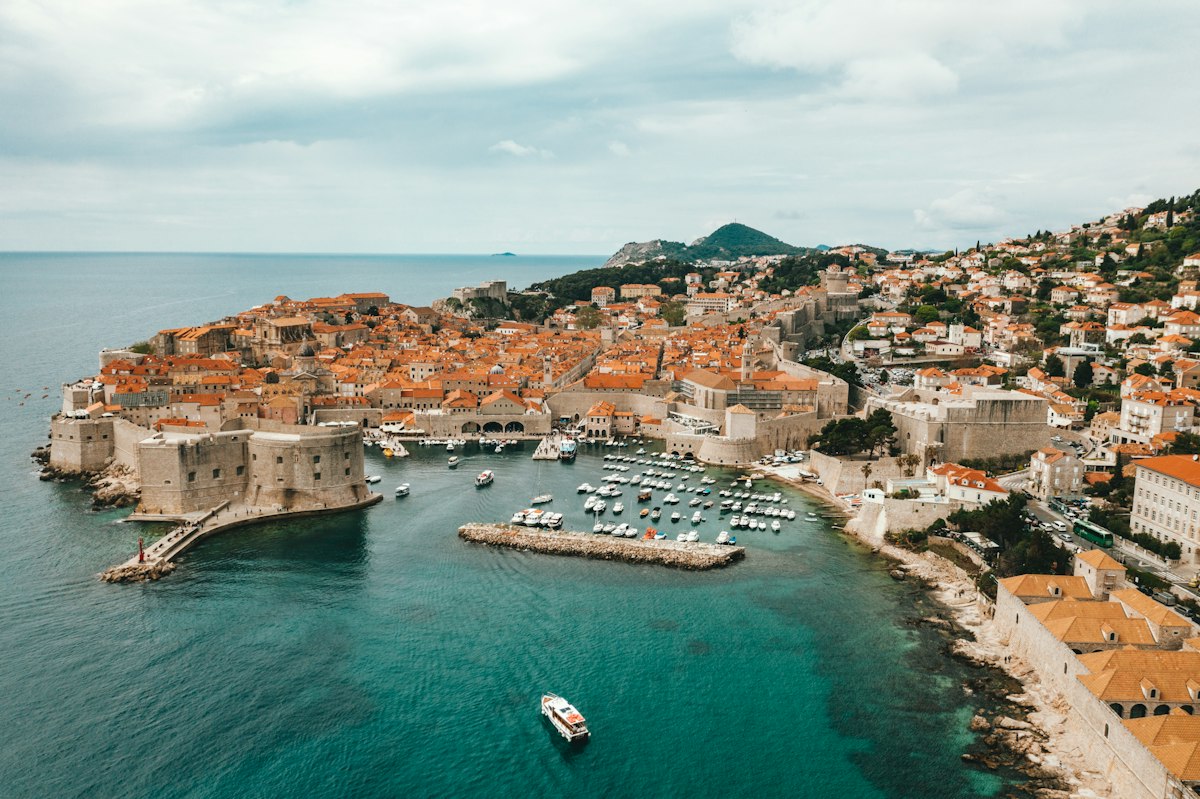
Living in Zagreb, Croatia means choosing the country's most underrated city (a Central European capital with café society, serious museums, year-round livability, and none of the summer tourist density that transforms Split and Dubrovnik. Expat life in Zagreb concentrates in Gornji Grad, Donji Grad, and the Gornji Grad hillside neighborhoods. Moving to Zagreb cost of living runs €1,600–€3,000 per month. Zagreb for remote workers delivers reliable broadband, EU membership (and Schengen access), and a tram network that covers the city center without a car. Croatia adopted the euro and joined Schengen in 2023, simplifying residency administration for EU nationals. Winters are genuinely cold and grey) spring and autumn are the city's finest seasons.
Primary commute: Tram, Walk
City snapshot
This is usually where things get unclear.
Talk through your move with clarity
Free · 45 minutes
Get a clear read on your situation before you make a decision. We'll map what actually applies to you in Croatia, visa paths, cost reality, and the risks most people don't see coming.
Book a Call →Your personalized plan for Croatia
Your budget answers, mapped against the cities in Croatia: including this one: with neighborhood starting points and a clear cost picture for your move.
$49 · Delivered within 24 hours
City metrics
On the ground
Local Realities
Daily Life
- 01
Zagreb is a genuine café city, coffee here is not a beverage, it's a 90-minute social ritual on a terrace, and the pace of daily life is built around it.
- 02
The tram system is reliable and covers the city center well, most residents in Zagreb's inner neighborhoods don't need a car for daily life.
Culture
- 03
Zagreb has a Central European intellectual character, a serious museum scene, lively literature and design culture, and the remains of a vibrant communist-era modernism coexist comfortably.
Reality
- 04
Winters are cold and grey, temperatures drop to 0°C and below regularly, and the city's best season is clearly spring and autumn rather than summer, when the coast draws everyone away.
- 05
Croatia joined the Schengen Area and adopted the euro in 2023, tax and residency procedures are increasingly EU-standard, which simplifies some administrative processes compared to a few years ago.
Who thrives here
- Year-Round Living
- Families
- Central European Culture Lovers
Honest tradeoffs
- —Not as dramatic as Split/Dubrovnik
- —Smaller international community
- —Cold winters
Typical housing options
Start here
Also worth knowing
Start with a short-term furnished rental for your first 4–8 weeks, it gives you time to explore neighborhoods in person before committing to a long-term lease.
More cities in Croatia


Recommended Guides
Guides to help you plan your move to Croatia.
The Full Cost of Living Abroad: What Budget Guides Leave Out
The costs that relocation budget guides consistently undercount, insurance, flights home, school fees, tax com…
Easiest Digital Nomad Visas Right Now
The digital nomad visas that are actually easy to obtain in 2026, with clear income requirements, straightforw…
Raising Children Abroad: A Realistic Family Relocation Guide
What raising children internationally actually involves, international school costs, pediatric healthcare, saf…
Best Countries for Remote Workers
The countries that have built genuine infrastructure for remote work: evaluated on visa frameworks, internet q…
You might also like
Cities with a similar feel across other destinations.


Frequently asked questions
How much does it cost to live in Zagreb?
Monthly budgets in Zagreb range from $1,600 to $3,000 for a comfortable lifestyle. Typical housing options include Apartments, Historic Buildings, Suburbs.
Is Zagreb good for expats?
Zagreb is particularly well-suited for Year-Round Living, Families, Central European Culture Lovers. Key tradeoffs to be aware of: Not as dramatic as Split/Dubrovnik; Smaller international community; Cold winters. The city scores 7/10 for English-friendliness, making day-to-day life accessible without the local language.
How walkable is Zagreb?
Zagreb scores 7/10 for walkability and 7/10 for public transport. The primary commute mode is Tram, Walk. Zagreb Airport (ZAG), 30 min.
Is Zagreb good for families?
Zagreb scores 8/10 for family-friendliness, 8/10 for education access, and 8/10 for healthcare access. It is part of Croatia, where international school costs run $400–$1,250/month. Zagreb has a small number of international schools, options are growing but remain limited compared to larger European capitals.