Moving to Iceland: Expat Guide & Relocation Hub
Monthly cost
$3,500–7,000
per month, expat lifestyle
Visa friction
Remote
Limited
Family fit
10/10
Language barrier
Low
Healthcare
9/10
Quick take
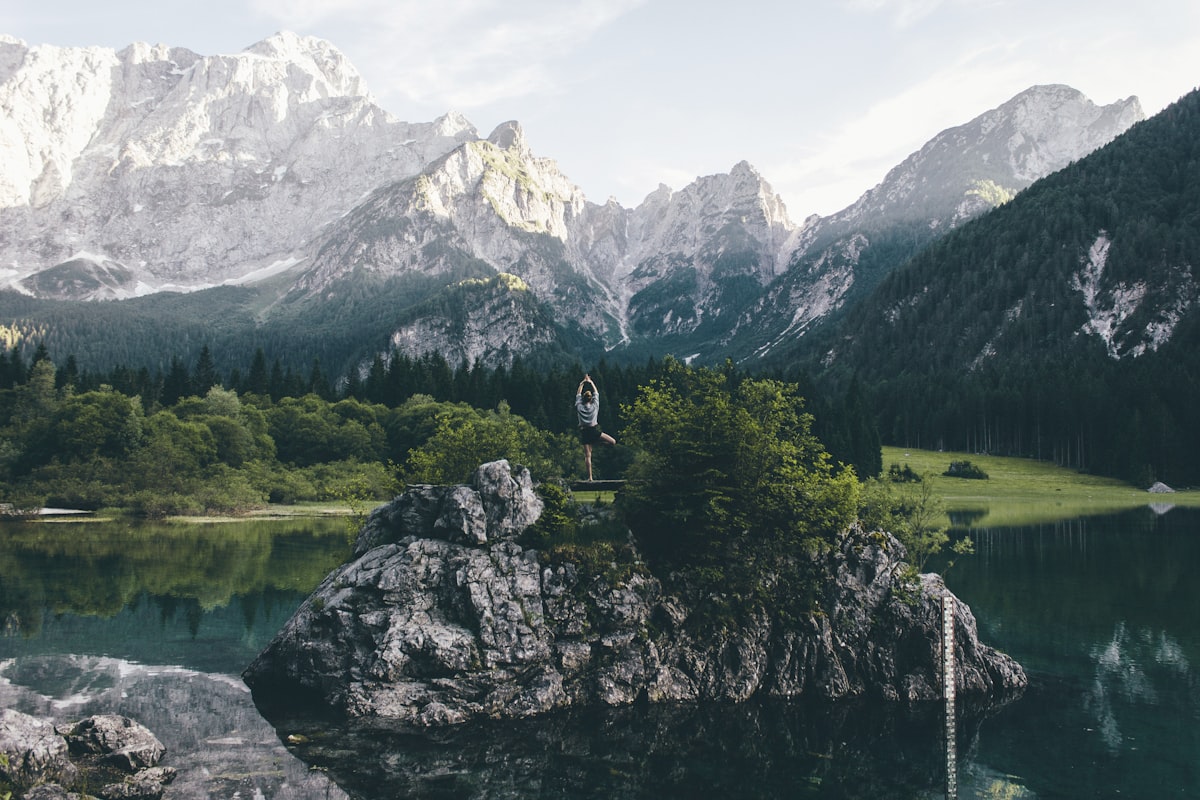
The land of fire and ice, one of the world's most expensive countries per capita, but also one of its safest, cleanest, and most spectacular.
Essential context
Before you move here
Cost
$3,500–$7,000/month covers a comfortable expat lifestyle. City-center rent typically runs $1,800–$3,200/month.
Visa path
Friction rated: Complex, expect documentation-heavy applications. EEA Freedom of Movement is available.
Remote work
Remote setup is possible but limited. Broadband: excellent; coworking: limited.
Healthcare
Quality scores 9/10. Private insurance typically runs $80–$250/month per person.
Daily life
English is widely spoken, integration barrier is low. Setting: Nordic, Volcanic.
The visa path is complex, but Iceland at $3,500–$7,000/mo rewards those who commit.
The land of fire and ice, one of the world's most expensive countries per capita, but also one of its safest, cleanest, and most spectacular. Iceland rewards those who come for the right reasons.
Moving to Iceland is a statement of priorities (clean air, some of the world's most spectacular landscapes, the Northern Lights accessible from the capital, the world's most gender-equal society, and an extremely safe country where children play outside unsupervised as a cultural norm. The cost of living in Iceland runs $3,500–$7,000 per month) among the world's highest. Iceland for families consistently scores at or near the top of global rankings for safety, gender equality, and education quality. The winters are a genuine challenge: December and January bring 4–5 hours of daylight, temperatures well below freezing, and storms that close roads. Those who prepare properly (and lean into the country's extraordinary outdoor culture rather than against its climate) describe Iceland as one of life's most rewarding experiences.
Good for
Fit assessment
This move works well if you...
- ✓Nature Lovers
- ✓Families Prioritising Safety and Equality
- ✓Outdoor Enthusiasts
- ✓Nordic Culture Seekers
Pause and reconsider if...
- —Extremely high cost of living
- —Dark, cold winters
- —Constrained housing market
- —Difficult social integration
The full guide includes a "Not For You" section with detailed deal-breakers specific to Iceland. Download the guide →
Cost Breakdown (Monthly)
Typical monthly estimate for a single expat. Approximate costs in USD.
Rent (City Center)
1-bedroom, monthly
$1,800–$3,200
Rent (Outside Center)
1-bedroom, monthly
$1,400–$2,500
Groceries
single person, monthly
$450–$750
Dining Out
casual meals, monthly estimate
$25–$55
Utilities
electricity, water, internet
$100–$180
Transport
local transport, monthly
$80–$150
Approximate costs only. Local prices vary with exchange rates and neighborhood. Expat-heavy areas typically run higher.
Budget by household type
How much does it actually cost?
Solo
$3,500–$5,075
/month
Varies by city
Couple
$5,250–$7,000
/month
City center or suburbs
Family of 4
$7,000–$11,550
/month
Major city recommended
Ranges based on EMELA research. Actual costs vary by city, lifestyle, and housing choice. Build your personal estimate →
Work & visa readiness
Complex setup, expect document-heavy applications and longer processing times
EU/EEA nationals have freedom of movement under the EEA Agreement. Non-EEA nationals require a work permit or residency permit. Iceland does not have a dedicated digital nomad visa but offers a long-stay visa for specific cases. Jobs are the primary route for non-EEA nationals.
Programs & incentives
- EEA Freedom of Movement
- Long-Stay Visa (specific cases)
- Work Permit (non-EEA)
Visa assistance
Need help with visas?
Navigating Iceland's visa process can involve document checklists, translations, and specific submission windows.
Check visa options →Quality of Life
How life actually feels here
Daily Life
Low barrier
Family
Mobility
Airport access
Keflavík International (KEF), good transatlantic connections, particularly to North America; growing European routes.
Social reality for newcomers
Iceland is tiny (around 370,000 people) which means any foreigner is always noticeable, but "noticeable" and "unwelcome" are very different things. Reykjavik has become increasingly diverse for its size over the past two decades, and Icelandic culture has an open, progressive, non-judgmental character. Black and Asian expats in Iceland report generally positive and inclusive experiences; Reykjavik's social scene is genuinely open. The primary social reality for any expat in Iceland is the language. Icelandic is used in most daily and official contexts, and those who do not engage with it remain peripheral to the deeper social fabric. English is universally spoken and the professional community is internationally oriented.
Healthcare (Expat Reality)
Typical costs for private care. Not medical advice, ranges are approximate.
Monthly insurance
$80–$250
private health insurance, per person
Doctor visit
$40–$90
general practitioner, out-of-pocket
Major procedures
Public healthcare is comprehensive for registered residents, quality is high and access is reasonably fast by international standards.
Registered residents access the public healthcare system. Private supplemental is optional. Healthcare quality is excellent.
International school costs
Typical annual tuition
$5,000 – $20,000
per year, international schools
Approximate monthly equivalent
$400 – $1,650
per child, per month
Expat reality
International schools are limited in Iceland. Reykjavík has a small English-medium school. Most expat families use the Icelandic public school system which is excellent and accommodates English-speaking children.
Ranges reflect international / private schools. Public schooling is available at little or no cost in most countries.
On the ground
Local Realities
Daily Life
- 01
The geothermal swimming pools (sundlaug) are Iceland's great civic institution, every neighborhood has one, they're open year-round in all weather, and they function as community centers, gossip forums, and daily rituals for most Icelanders.
- 02
Grocery shopping requires adjustment, imported goods are expensive and local options (lamb, fish, dairy) are excellent and reasonably priced by local standards. Shopping at Bonus (the budget supermarket) is universal across income levels.
Culture
- 03
Icelandic social networks are built through childhood, school, and family connections accumulated over decades, integration for newcomers is genuine but slow. Joining a club, sport, or regular activity is the most effective route in.
Reality
- 04
The Northern Lights are accessible from Reykjavík itself in good conditions, this becomes normal rather than spectacular by the first winter, which is a remarkable thing to be able to say.
The honest reality check
Iceland is very expensive (comparable to Switzerland for daily living costs. Winters are genuinely extreme: cold, dark, and stormy, with 4–5 hours of daylight in December. The housing market in Reykjavík is severely constrained and rents are high. Social integration is slow) Icelanders have a tight social fabric built through generational networks that take time to enter.
Common tradeoffs to expect
Cities in Iceland


Start here
The guides most relevant to your move.
The Full Cost of Living Abroad: What Budget Guides Leave Out
The costs that relocation budget guides consistently undercount, insurance, flights home, school fees, tax compliance, i…
Easiest Digital Nomad Visas Right Now
The digital nomad visas that are actually easy to obtain in 2026, with clear income requirements, straightforward applic…
Raising Children Abroad: A Realistic Family Relocation Guide
What raising children internationally actually involves, international school costs, pediatric healthcare, safety, socia…
Best Countries for Remote Workers
The countries that have built genuine infrastructure for remote work: evaluated on visa frameworks, internet quality, ti…
The Iceland Relocation Guide, 2026
Research-grade · Delivered to your email
What's inside
- Budget breakdown by household type (Solo, Couple, Family)
- Visa pathway comparison with income requirements
- City deep-dives, 4 cities with neighborhood picks
- 90-day landing plan (Day 1–30, 31–60, 61–90)
- Banking, tax ID & lease practicalities
- Common mistakes and how to avoid them
- Monthly budget
- $3,500–$7,000 / month
- Visa complexity
- high
Free · No paywall · Sent to your inbox
Typical housing
Other details
Prominent religion
Lutheran Christian
Cannabis status
Cannabis: IllegalStart here
Also worth knowing
Start with a short-term furnished rental for your first 4–8 weeks, it gives you time to explore neighborhoods in person before committing to a long-term lease.
Personal income tax rate
20.6–31.8% (municipal + national combined)
Expat provision
No dedicated expat tax regime. Iceland's combined municipal and national rates are relatively moderate by Nordic standards. Foreign income is taxable for residents.
Iceland taxes worldwide income for residents. The combined rate is moderate by Nordic standards. Municipal tax varies by municipality. High earners benefit from relatively low top-rates compared to Scandinavian peers.
Tax laws change, verify current rules with a qualified tax adviser familiar with Iceland.
Legal status
Same-sex marriage legal since 2010; Jóhanna Sigurðardóttir was the world's first openly gay head of government (2009)
Iceland is among the world's most LGBTQ+-welcoming societies, comprehensive legal protections, strong cultural acceptance, and a political history of genuine leadership in equality.
Broadband
ExcellentMobile data
GoodCoworking spaces
LimitedTypical coworking day pass
$25–$50 USD/day
Required vaccinations / documents
Iceland has strict bio-security rules, pets require a titre test, treatment protocols, and a quarantine period of up to 4 weeks. Import permit required in advance. Engage a specialist service well in advance.
Summary only, verify current official requirements before travel.
Practical tools
International Banking
Moving money across borders
Most people relocating abroad open a multi-currency account before they arrive. It handles international transfers more cleanly than a domestic bank and avoids the conversion fees that add up quickly.
See how Wise works →International Health Insurance
Health coverage for long-term expats
Standard travel insurance typically does not cover long-term residency abroad. Expat-specific health coverage is worth reviewing early — before any pre-existing conditions become a documentation issue.
Review SafetyWing coverage →Visa Processing
Navigating the application process
For many destinations, visa applications involve document checklists, translations, and specific submission windows. A processing service checks eligibility and handles the paperwork — common for first-time applications.
Check visa eligibility →
Next Step
Get clear before you decide
Most people reach this point and realize the details matter more than expected, visas, real costs, and what actually applies to them. This is where we help you make a confident decision.
Talk through your move with clarity
Apply for a free 30 minute call with one of our relocation specialists
Apply for a Call →Your personalized plan for Iceland
City comparisons and neighborhood starting points, built around your quiz and budget answers.
$49 · Delivered within 24 hours
Quick reference · 2026
Iceland. Key facts for expats
Monthly budget (solo)
$3,500–$7,000
Visa entry
Complex path
Remote-work readiness
Remote work possible but limited · Broadband: excellent
Best city for remote workers
Family viability
Highly family-friendly (10/10) · Healthcare: 9/10
Tax system
worldwide · Resident after 183 days
Why people move to Iceland in 2026
Moving to Iceland is a statement of priorities (clean air, some of the world's most spectacular landscapes, the Northern Lights accessible from the capital, the world's most gender-equal society, and an extremely safe country where children play outside unsupervised as a cultural norm. The cost of living in Iceland runs $3,500–$7,000 per month) among the world's highest. Iceland for families consistently scores at or near the top of global rankings for safety, gender equality, and education quality. The winters are a genuine challenge: December and January bring 4–5 hours of daylight, temperatures well below freezing, and storms that close roads. Those who prepare properly (and lean into the country's extraordinary outdoor culture rather than against its climate) describe Iceland as one of life's most rewarding experiences.
Frequently asked questions
How much does it cost to live in Iceland?
Living in Iceland typically costs $3,500–$7,000 per month for a comfortable expat lifestyle. A one-bedroom apartment in the city center rents for $1,800–$3,200/month; outside the center, expect $1,400–$2,500/month. Monthly groceries run $450–$750 and transport around $80–$150.
What visa do I need to move to Iceland?
EU/EEA nationals have freedom of movement under the EEA Agreement. Non-EEA nationals require a work permit or residency permit. Iceland does not have a dedicated digital nomad visa but offers a long-stay visa for specific cases. Jobs are the primary route for non-EEA nationals. Available relocation programs include: EEA Freedom of Movement, Long-Stay Visa (specific cases), Work Permit (non-EEA).
Is Iceland good for remote workers?
Iceland is not ideally positioned for remote workers. Internet infrastructure is rated excellent, with coworking spaces limited across the country at approximately $25–50/day. Mobile data reliability is good.
What is healthcare like in Iceland for expats?
Iceland scores 9/10 for healthcare quality. Registered residents access the public healthcare system. Private supplemental is optional. Healthcare quality is excellent. Expat health insurance typically costs $80–$250/month, with a typical doctor visit around $40–$90.
What are the tax implications of moving to Iceland?
Iceland taxes worldwide income for residents. The combined rate is moderate by Nordic standards. Municipal tax varies by municipality. High earners benefit from relatively low top-rates compared to Scandinavian peers. No dedicated expat tax regime. Iceland's combined municipal and national rates are relatively moderate by Nordic standards. Foreign income is taxable for residents. Iceland uses a worldwide income tax system with personal rates of 20.6–31.8% (municipal + national combined). Tax residency is generally triggered after 183 days in-country.
Similar destinations to consider


Quick take
The land of fire and ice, one of the world's most expensive countries per capita, but also one of its safest, cleanest, and most spectacular.
Best for
Thinking About Making The Move? We're Here to Help.
Talk through your move with clarity
Apply for a free 30 minute call with one of our relocation specialists
We'll break down what actually applies to you, visa paths, real costs, and the risks most people don't see coming.
Apply for a Call →Your personalized plan for Iceland
Your quiz and budget answers, mapped against the main cities: with neighborhood starting points and a realistic cost picture for your situation.
$49 · Delivered within 24 hours