
Living in Brisbane, Australia: Expat Guide
Australia's fastest-growing major city and 2032 Olympics host, a subtropical river city with year-round sunshine, a lower cost baseline than Sydney or Melbourne, and a lifestyle built around outdoor living.
Australia's fastest-growing major city and 2032 Olympics host, a subtropical river city with year-round sunshine, a lower cost baseline than Sydney or Melbourne, and a lifestyle built around outdoor living.
Living in Brisbane, Australia means Australia's subtropical counterpart to Sydney's cooler sophistication (a river city where outdoor living is not aspirational but structural, where the Botanic Gardens and South Bank Parklands serve as urban infrastructure, and where the 2032 Olympics has accelerated investment, infrastructure, and international attention. Expat life in Brisbane concentrates in New Farm, Paddington, West End, and the South Bank cultural precinct. Moving to Brisbane cost of living runs $2,800–$5,500 per month. Brisbane for internationally mobile expats delivers Australia's immigration infrastructure (skilled visa pathways, PR routes) in a city that is meaningfully less expensive than Sydney while offering comparable professional opportunities) particularly in resources, construction, healthcare, and education. The honest tradeoffs: Brisbane's cultural density does not yet match Sydney or Melbourne, summer humidity is real, and infrastructure disruption from Olympics preparation will persist until 2032.
Primary commute: Bus, Train, Ferry, Bicycle
City snapshot
This is usually where things get unclear.
Talk through your move with clarity
Free · 45 minutes
Get a clear read on your situation before you make a decision. We'll map what actually applies to you in Australia, visa paths, cost reality, and the risks most people don't see coming.
Book a Call →Your personalized plan for Australia
Your budget answers, mapped against the cities in Australia: including this one: with neighborhood starting points and a clear cost picture for your move.
$49 · Delivered within 24 hours
City metrics
On the ground
Local Realities
Daily Life
- 01
The Brisbane River is not just scenic. CityCat ferries run as genuine commuter infrastructure, connecting suburbs to the CBD and South Bank without road congestion. Residents who live near a ferry terminal find the river-commute a genuine quality-of-life feature.
- 02
South Bank Parklands (a permanent urban beach, lagoon pool, and cultural precinct directly across the river from the CBD) functions as Brisbane's living room. The Gallery of Modern Art (GOMA), Queensland Museum, and State Library are all within a 10-minute walk of the pool.
Culture
- 03
Brisbane's cultural scene has grown substantially in the past decade, the GOMA is Australia's most-visited art gallery outside Sydney and Melbourne, the Fortitude Valley music precinct has a genuine history, and the city's increasing international population has diversified its food and arts landscape.
Reality
- 04
Brisbane's property market has accelerated sharply, the combination of internal migration from Sydney and Melbourne, Olympics investment, and Queensland's relative affordability has pushed rental and purchase prices up significantly. The gap with Sydney has narrowed.
- 05
Summer humidity (November–March) is a genuine consideration. Brisbane averages 85%+ humidity during these months with temperatures above 30°C. Outdoor activities shift to early morning or evening, and residents without air conditioning find the period uncomfortable rather than merely warm.
Who thrives here
- Families
- Outdoor Lifestyle Seekers
- Those priced out of Sydney/Melbourne
- Sports and Events Professionals
- Queensland Coast Access
Honest tradeoffs
- —Significant infrastructure investment in progress (disruption until 2032)
- —Less cultural density than Sydney or Melbourne
- —Humidity October–March can be intense
- —Property prices rising fast as city's profile grows
Typical housing options
Start here
Also worth knowing
Sydney and Melbourne are among the world's most expensive rental markets: AUD $2,500–$4,000/mo for a 2-bedroom in inner-city areas. Brisbane, Adelaide and Perth offer better value. Vacancy rates remain very low, apply fast when you find a property.
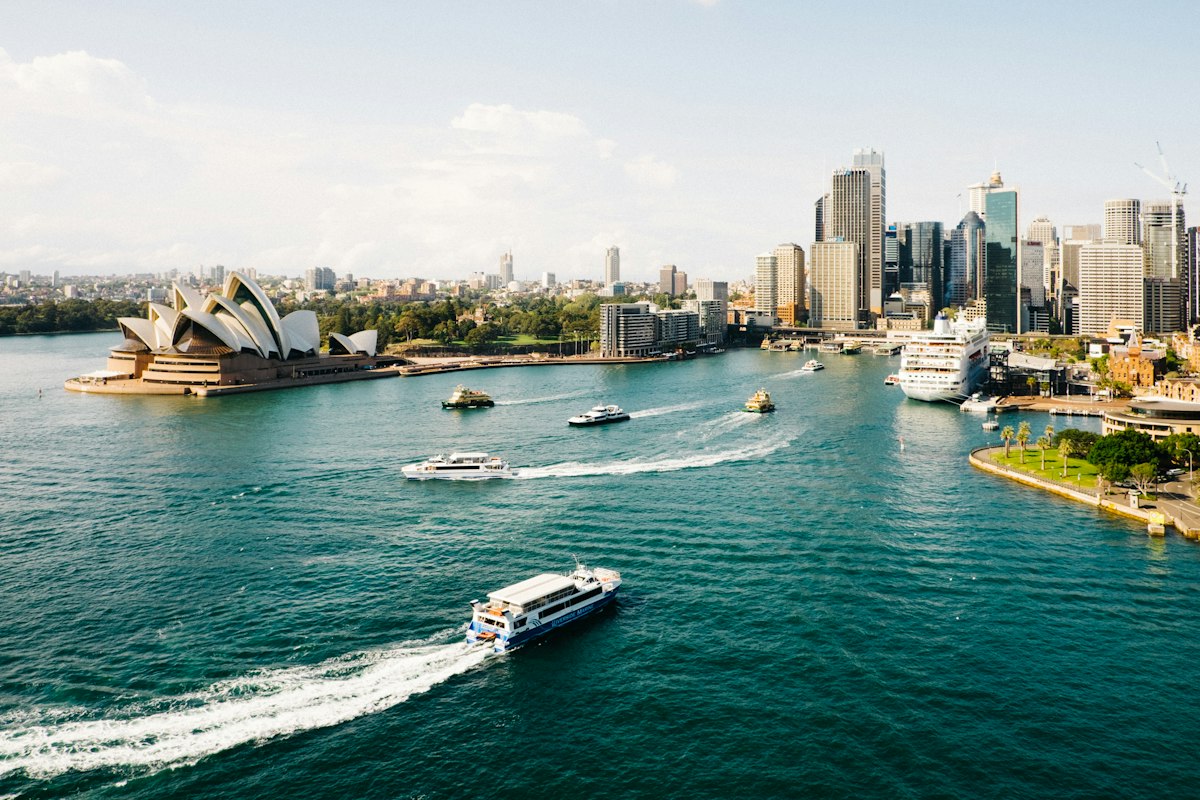
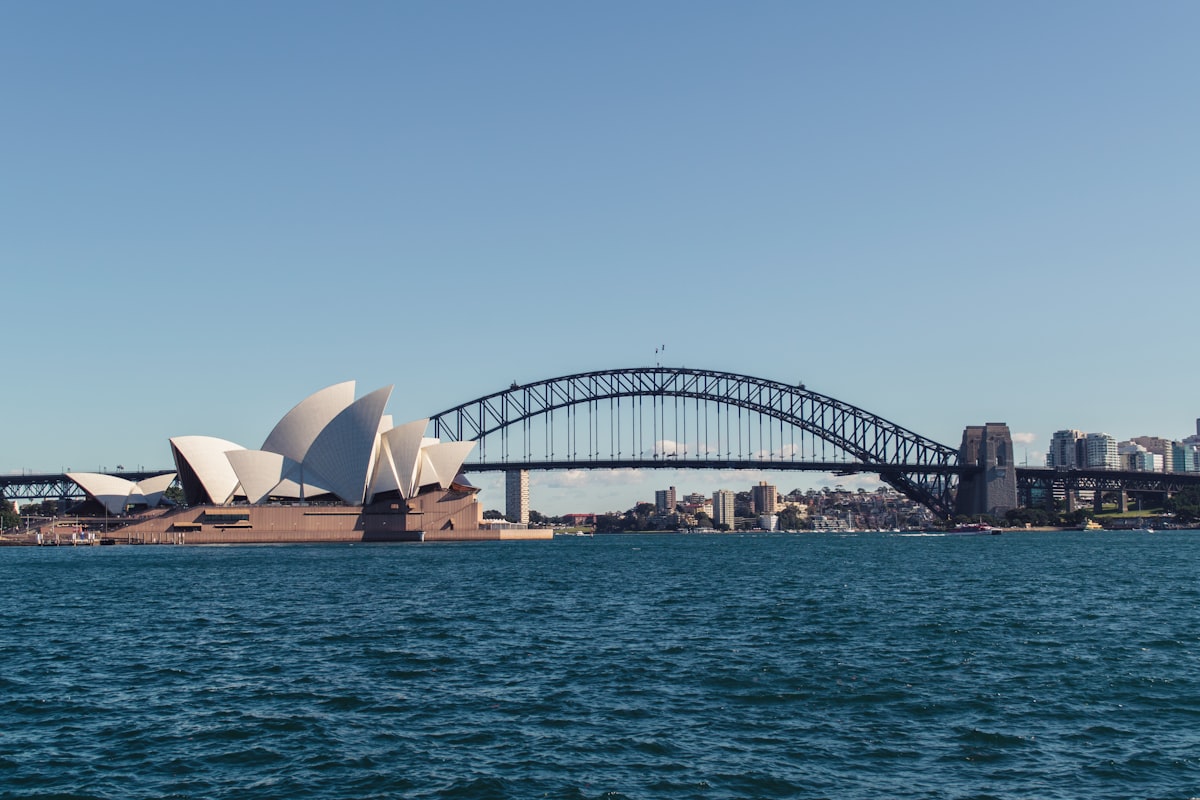
More cities in Australia


Recommended Guides
Guides to help you plan your move to Australia.
The Full Cost of Living Abroad: What Budget Guides Leave Out
The costs that relocation budget guides consistently undercount, insurance, flights home, school fees, tax com…
Easiest Digital Nomad Visas Right Now
The digital nomad visas that are actually easy to obtain in 2026, with clear income requirements, straightforw…
Raising Children Abroad: A Realistic Family Relocation Guide
What raising children internationally actually involves, international school costs, pediatric healthcare, saf…
Best Countries for Remote Workers
The countries that have built genuine infrastructure for remote work: evaluated on visa frameworks, internet q…
You might also like
Cities with a similar feel across other destinations.


Frequently asked questions
How much does it cost to live in Brisbane?
Monthly budgets in Brisbane range from $2,800 to $5,500 for a comfortable lifestyle. Typical housing options include Queenslander Homes, Inner-City Apartments, New Farm Townhouses, South Bank Condos.
Is Brisbane good for expats?
Brisbane is particularly well-suited for Families, Outdoor Lifestyle Seekers, Those priced out of Sydney/Melbourne, Sports and Events Professionals, Queensland Coast Access. Key tradeoffs to be aware of: Significant infrastructure investment in progress (disruption until 2032); Less cultural density than Sydney or Melbourne; Humidity October–March can be intense; Property prices rising fast as city's profile grows. The city scores 10/10 for English-friendliness, making day-to-day life accessible without the local language.
How walkable is Brisbane?
Brisbane scores 7/10 for walkability and 7/10 for public transport. The primary commute mode is Bus, Train, Ferry, Bicycle. Brisbane Airport (BNE), 20 min from CBD; major international hub with direct routes to Asia, New Zealand, USA (LAX, SFO), and UK (LHR).
Is Brisbane good for families?
Brisbane scores 9/10 for family-friendliness, 9/10 for education access, and 10/10 for healthcare access. It is part of Australia, where international school costs run $1,250–$2,900/month. Sydney and Melbourne have excellent international schools with quality to match, costs are high, and the most sought-after programs require early application.