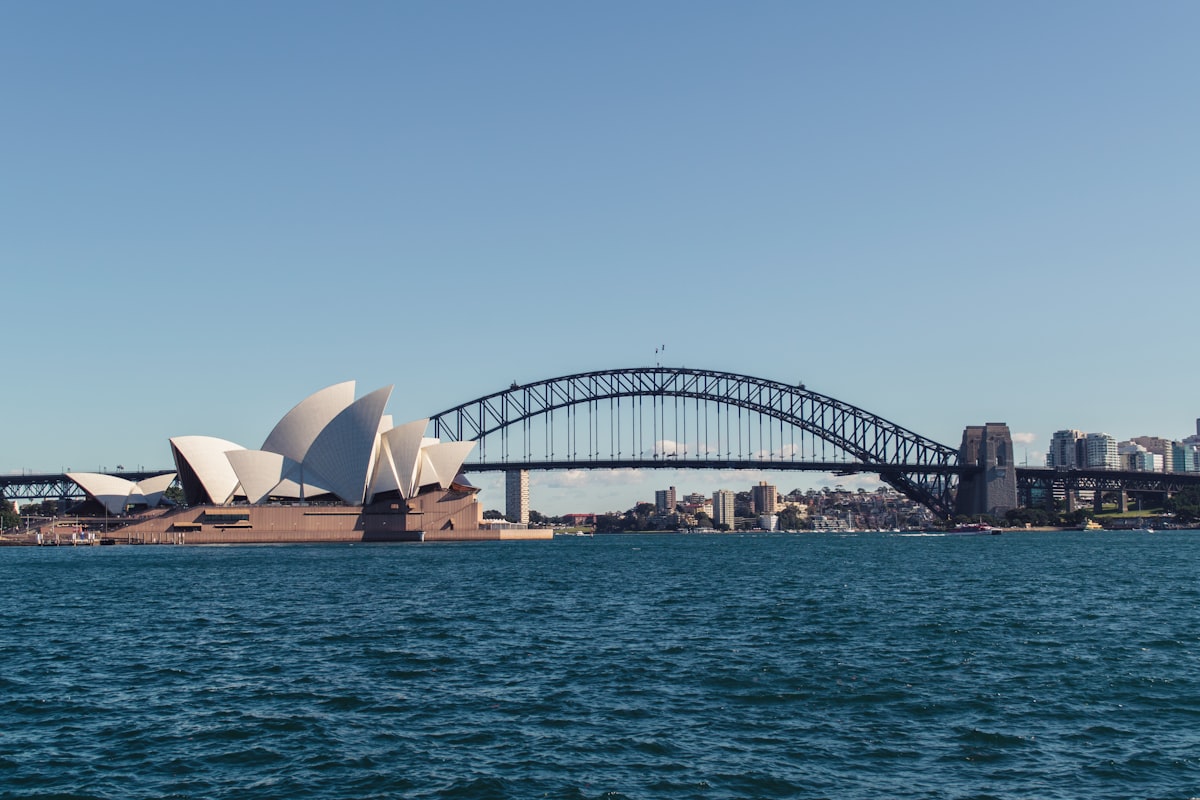
Living in Sydney, Australia: Expat Guide
One of the world's great harbor cities, extraordinary beaches, outdoor lifestyle, and a multicultural sophistication that makes it feel genuinely global.
One of the world's great harbor cities, extraordinary beaches, outdoor lifestyle, and a multicultural sophistication that makes it feel genuinely global.
Living in Sydney, Australia means one of the world's great harbor cities, some of Australia's finest beaches within 30 minutes of the CBD, and a multicultural sophistication earned over decades of Pacific immigration. Expat life in Sydney concentrates in the Eastern Suburbs, Inner West, and Lower North Shore (each with distinct character and substantial price premium. Moving to Sydney cost of living runs $4,000–$8,000 per month for families, with housing costs representing the largest variable. Sydney for English-speaking expats is operationally easy) English first language, world-class healthcare for permanent residents, and exceptional private schools. The honest tradeoffs: housing costs are among the world's highest relative to income, there is no clean visa pathway for independent remote workers, and flights to Europe are 24 hours each direction.
The Eastern Suburbs (Bondi, Bronte, Coogee, Randwick) is the most internationally known Sydney expat corridor: beach access, coastal walk infrastructure, and a density of New Zealand, British, Irish, and South African communities that makes the daily social environment more anglophone than any other part of the city. Bondi Beach specifically carries a lifestyle premium that extends to coffee, brunch culture, and the weekly Bondi market. The Inner West (Newtown, Glebe, Balmain, Leichhardt) is the alternative: grittier, more diverse, more politically engaged, and noticeably more affordable than the east. Newtown is the anchor (King Street is among Sydney's best independent restaurant streets. The Lower North Shore) Kirribilli, McMahons Point, Neutral Bay (offers harbor views and proximity to the CBD by ferry, at housing costs that rival the Eastern Suburbs. Families with children increasingly target the Upper North Shore and the Hills District for school quality and house size) accepting the longer commute in exchange for space that is not available at comparable cost closer in.
Primary commute: Train, Ferry, Bus
City snapshot
This is usually where things get unclear.
Talk through your move with clarity
Free · 45 minutes
Get a clear read on your situation before you make a decision. We'll map what actually applies to you in Australia, visa paths, cost reality, and the risks most people don't see coming.
Book a Call →Your personalized plan for Australia
Your budget answers, mapped against the cities in Australia: including this one: with neighborhood starting points and a clear cost picture for your move.
$49 · Delivered within 24 hours
City metrics
On the ground
Local Realities
Daily Life
- 01
Sydney's geography is fragmented by the harbor and coastline, a drive from the Northern Beaches to the Eastern Suburbs can take an hour, and where you live determines which version of the city you inhabit.
- 02
Housing costs in Sydney are among the highest in the world, most new arrivals spend 40–55% of net income on rent in walkable, well-located neighborhoods.
Culture
- 03
Australian directness and egalitarianism are real features of Sydney social life, titles and formality drop quickly, and the same understated humor runs across all social contexts.
Reality
- 04
Remote workers without Australian employer sponsorship have no clean visa pathway, a tourist visa technically prohibits Australian-sourced income, but enforcement against foreign income is rare.
- 05
A flight from Sydney to Europe is 20–24 hours and typically costs $1,500–$3,000, geographic isolation compounds over time in a way that's difficult to fully appreciate before experiencing it.
Who thrives here
- English-Speaking Expats
- Beach Lovers
- Outdoor Enthusiasts
- Families
Honest tradeoffs
- —Extremely expensive housing
- —Complex visa path for remote workers
- —Far from Europe and Americas
Typical housing options
Start here
Also worth knowing
Sydney and Melbourne are among the world's most expensive rental markets: AUD $2,500–$4,000/mo for a 2-bedroom in inner-city areas. Brisbane, Adelaide and Perth offer better value. Vacancy rates remain very low, apply fast when you find a property.
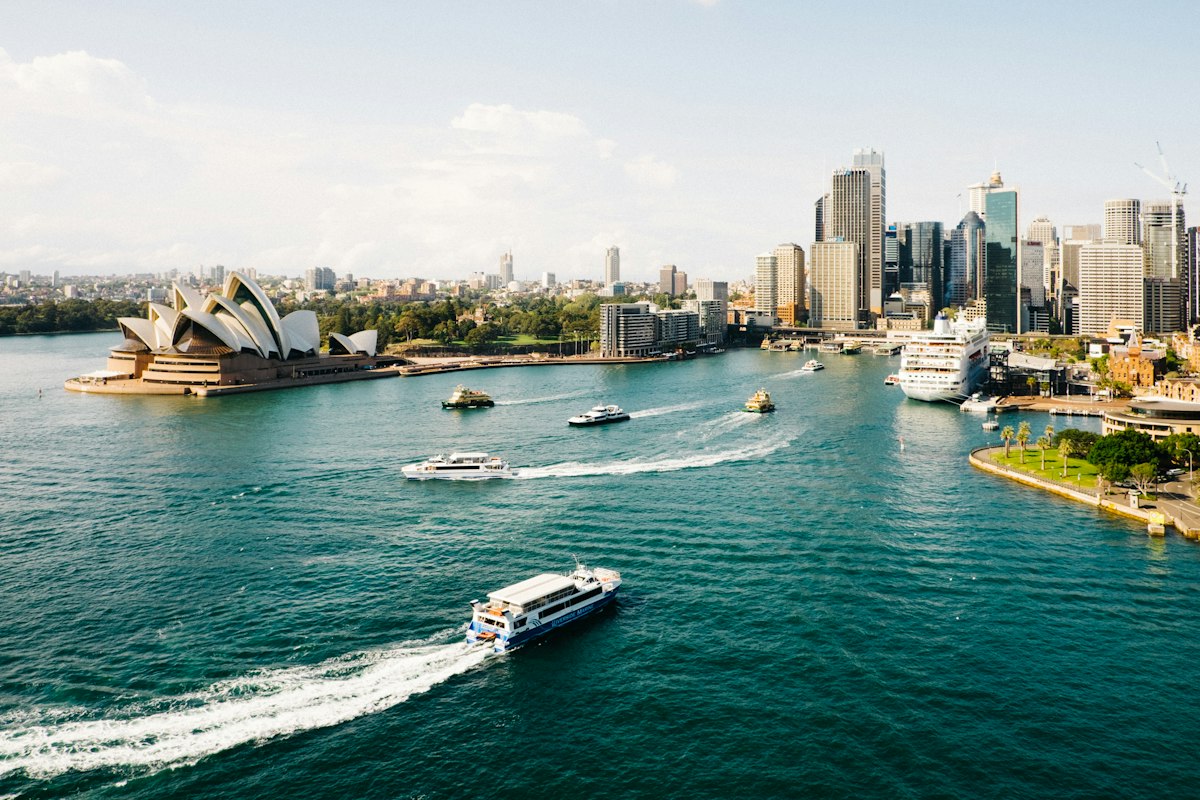
More cities in Australia


Recommended Guides
Guides to help you plan your move to Australia.
The Full Cost of Living Abroad: What Budget Guides Leave Out
The costs that relocation budget guides consistently undercount, insurance, flights home, school fees, tax com…
Easiest Digital Nomad Visas Right Now
The digital nomad visas that are actually easy to obtain in 2026, with clear income requirements, straightforw…
Raising Children Abroad: A Realistic Family Relocation Guide
What raising children internationally actually involves, international school costs, pediatric healthcare, saf…
Best Countries for Remote Workers
The countries that have built genuine infrastructure for remote work: evaluated on visa frameworks, internet q…
You might also like
Cities with a similar feel across other destinations.


Frequently asked questions
How much does it cost to live in Sydney?
Monthly budgets in Sydney range from $4,000 to $8,000 for a comfortable lifestyle. Typical housing options include Apartments, Houses, Coastal Properties.
Is Sydney good for expats?
Sydney is particularly well-suited for English-Speaking Expats, Beach Lovers, Outdoor Enthusiasts, Families. Key tradeoffs to be aware of: Extremely expensive housing; Complex visa path for remote workers; Far from Europe and Americas. The city scores 10/10 for English-friendliness, making day-to-day life accessible without the local language.
How walkable is Sydney?
Sydney scores 7/10 for walkability and 8/10 for public transport. The primary commute mode is Train, Ferry, Bus. Sydney Airport (SYD), 20 min.
Is Sydney good for families?
Sydney scores 9/10 for family-friendliness, 10/10 for education access, and 9/10 for healthcare access. It is part of Australia, where international school costs run $1,250–$2,900/month. Sydney and Melbourne have excellent international schools with quality to match, costs are high, and the most sought-after programs require early application.