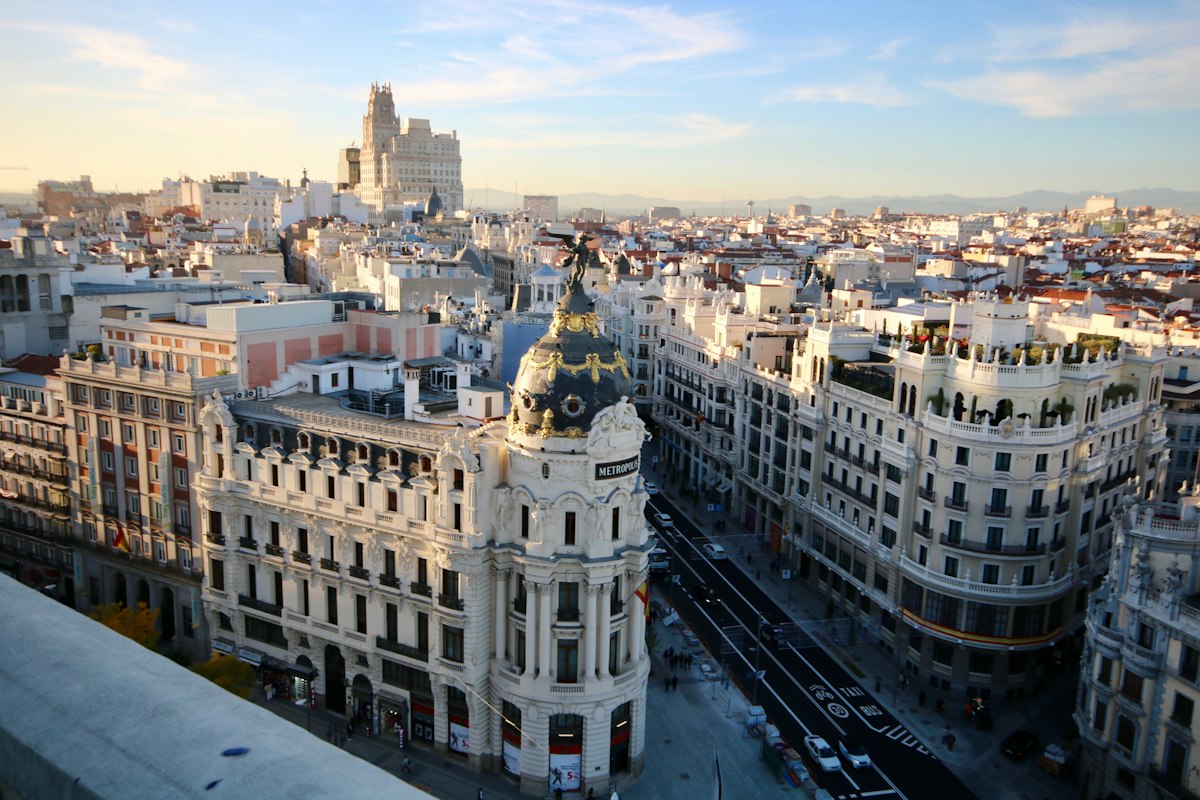
Living in Madrid, Spain: Expat Guide
Spain's grand capital, where culture, art, and gastronomy reach their zenith.
Spain's grand capital, where culture, art, and gastronomy reach their zenith. More Spanish than Barcelona, more sophisticated than most.
Living in Madrid, Spain means inhabiting the cultural and political center of a country that takes its food, art, and social life seriously. Expat life in Madrid concentrates in Salamanca, Malasaña, and Lavapiés (each with distinct character from bourgeois to bohemian. Moving to Madrid rewards those who invest in Spanish language: the city's professional international circuit is smaller than Barcelona's, and the most rewarding version of Madrid life unfolds in Spanish. Madrid cost of living runs €2,300–€4,800 per month) comparably priced to Barcelona but without the sea. Madrid compensates with the Prado, the Retiro, an unmatched tapas culture, and a nightlife architecture built around the idea that the night is genuinely long.
Primary commute: Metro, Walk
Madrid, through the lens
City snapshot
This is usually where things get unclear.
Talk through your move with clarity
Free · 45 minutes
Get a clear read on your situation before you make a decision. We'll map what actually applies to you in Spain, visa paths, cost reality, and the risks most people don't see coming.
Book a Call →Your personalized plan for Spain
Your budget answers, mapped against the cities in Spain: including this one: with neighborhood starting points and a clear cost picture for your move.
$49 · Delivered within 24 hours
City metrics
On the ground
Local Realities
Daily Life
- 01
Madrid's social clock runs late, dinner at 10pm is standard, bars fill after midnight, and calling it a night before 3am is considered early.
- 02
The city has almost no beach access, the nearest decent coast is 3–4 hours away, which matters more than it seems after a few months of inland summer heat.
Culture
- 03
Madrid identifies as the cultural and political heart of Spain, it carries this with a confidence that can read as indifference to regionalism, which creates friction in some social contexts.
Reality
- 04
Salamanca and Chamberí rents now approach Barcelona levels. Carabanchel, Vallecas, and Usera offer the same services at 40–50% less.
Who thrives here
- Culture Seekers
- Foodies
- History Lovers
- Spanish Language Students
Honest tradeoffs
- —Spanish language essentially required
- —Very hot summers
- —No beach access
Typical housing options
Start here
Also worth knowing
Barcelona and Madrid are the most expensive: €1,200–€2,000/mo for a furnished 1-bedroom in central areas. Valencia, Seville and Málaga offer much better value at €700–€1,200.
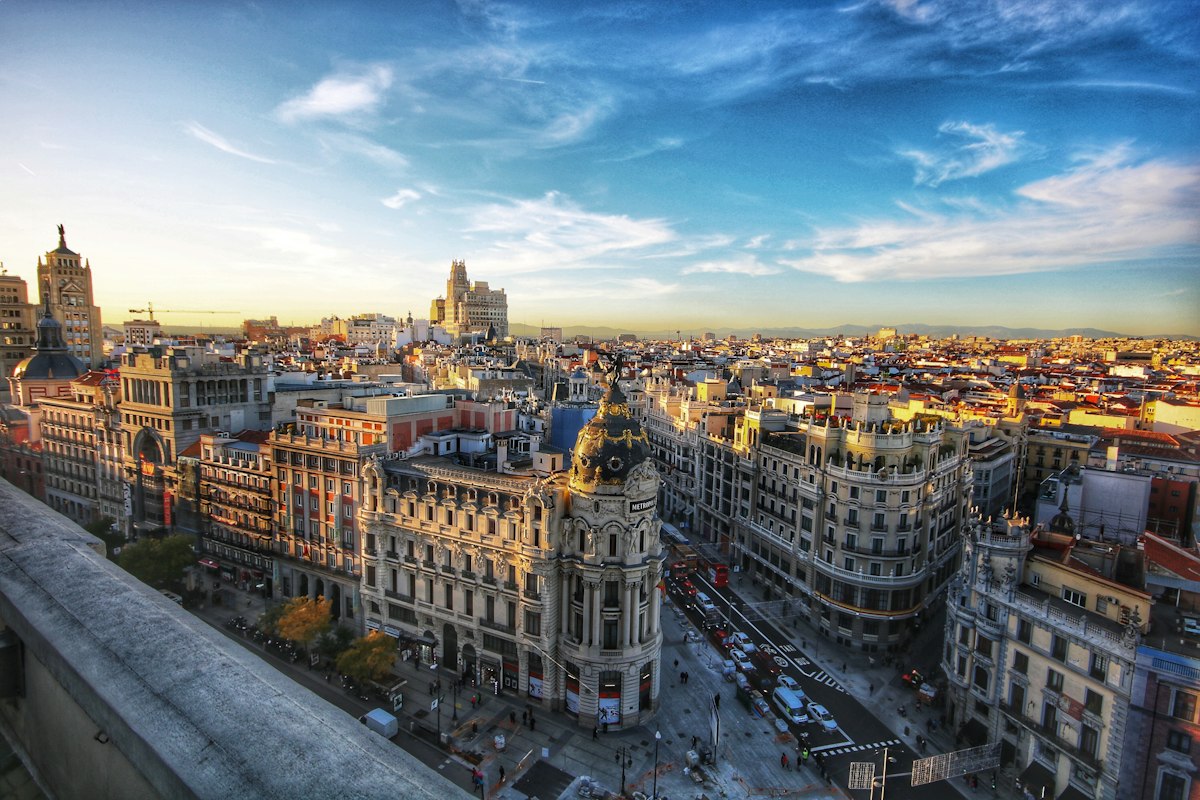
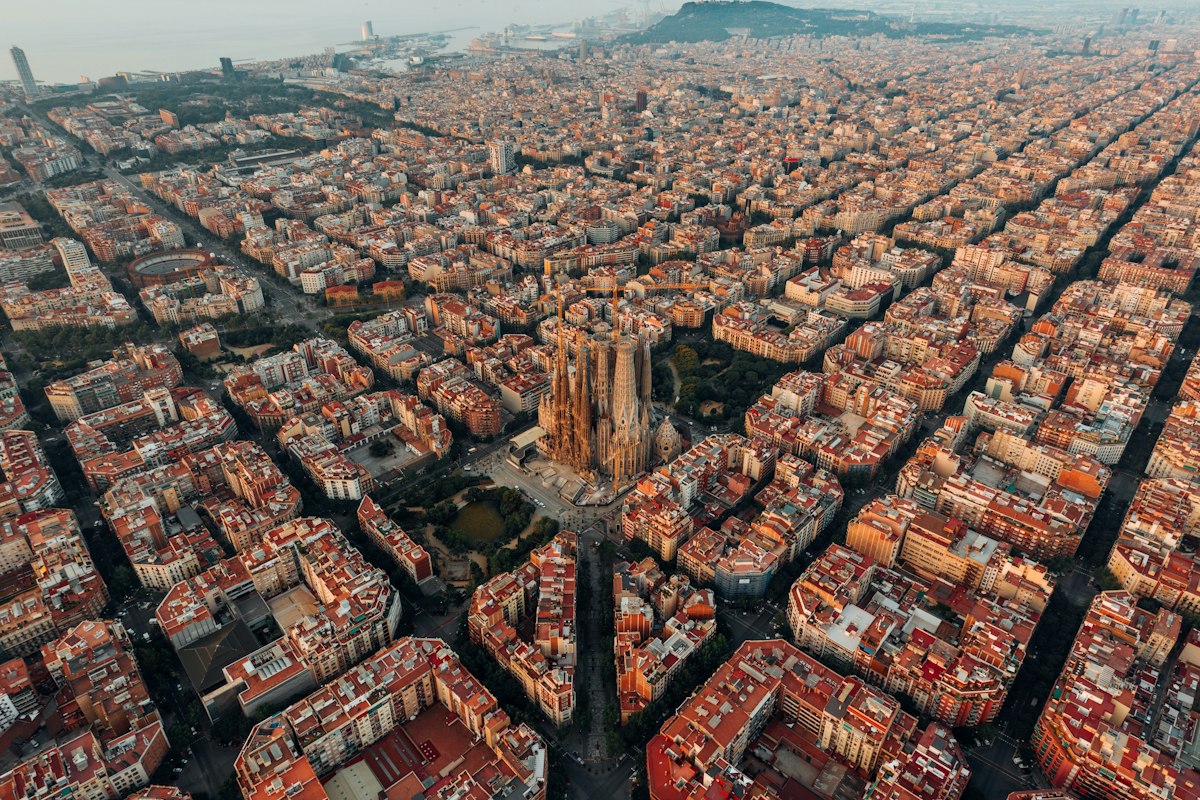
More cities in Spain


Recommended Guides
Guides to help you plan your move to Spain.
The Full Cost of Living Abroad: What Budget Guides Leave Out
The costs that relocation budget guides consistently undercount, insurance, flights home, school fees, tax com…
Easiest Digital Nomad Visas Right Now
The digital nomad visas that are actually easy to obtain in 2026, with clear income requirements, straightforw…
Raising Children Abroad: A Realistic Family Relocation Guide
What raising children internationally actually involves, international school costs, pediatric healthcare, saf…
Best Countries for Remote Workers
The countries that have built genuine infrastructure for remote work: evaluated on visa frameworks, internet q…
You might also like
Cities with a similar feel across other destinations.



Frequently asked questions
How much does it cost to live in Madrid?
Monthly budgets in Madrid range from $2,300 to $4,800 for a comfortable lifestyle. Typical housing options include Classic Pisos, Modern Apartments, Loft Conversions.
Is Madrid good for expats?
Madrid is particularly well-suited for Culture Seekers, Foodies, History Lovers, Spanish Language Students. Key tradeoffs to be aware of: Spanish language essentially required; Very hot summers; No beach access. The city scores 6/10 for English-friendliness, making day-to-day life easier with some knowledge of Spain's local language.
How walkable is Madrid?
Madrid scores 8/10 for walkability and 9/10 for public transport. The primary commute mode is Metro, Walk. Adolfo Suárez Madrid-Barajas Airport (25 min).
Is Madrid good for families?
Madrid scores 8/10 for family-friendliness, 9/10 for education access, and 9/10 for healthcare access. It is part of Spain, where international school costs run $650–$2,500/month. Madrid and Barcelona have a strong international school network, quality is generally high, though top-tier British and American schools often have waitlists.