
Living in Málaga, Spain: Expat Guide
Once just an airport for the Costa del Sol, Málaga has transformed into a genuine cultural destination, birthplace of Picasso, increasingly international, with 300+ days of sun.
Once just an airport for the Costa del Sol, Málaga has transformed into a genuine cultural destination, birthplace of Picasso, increasingly international, with 300+ days of sun.
Living in Málaga, Spain has shifted dramatically in the past decade from a gateway airport to one of Spain's most genuinely interesting relocation destinations. Birthplace of Picasso, gateway to the Costa del Sol, and increasingly home to a tech hub drawing European remote workers, Málaga cost of living runs €1,900–€3,800 per month. Expat life in Málaga centers on the historic center, Soho, and the Pedregalejo beach suburb. Moving to Málaga offers the Andalusian lifestyle at scale: 300+ days of sun, Mediterranean seafood, and a pace that feels Mediterranean without surrendering Spanish authenticity. The international airport connects to most of Europe with budget carriers, making it a practical base for those who travel frequently.
Primary commute: Walk, Bus, Car
Málaga, through the lens
City snapshot
This is usually where things get unclear.
Talk through your move with clarity
Free · 45 minutes
Get a clear read on your situation before you make a decision. We'll map what actually applies to you in Spain, visa paths, cost reality, and the risks most people don't see coming.
Book a Call →Your personalized plan for Spain
Your budget answers, mapped against the cities in Spain: including this one: with neighborhood starting points and a clear cost picture for your move.
$49 · Delivered within 24 hours
City metrics
On the ground
Local Realities
Daily Life
- 01
Málaga's city center is compact and walkable, most daily needs are reachable on foot from the historic center, though the beach neighborhoods feel like a separate zone.
- 02
Summer is genuinely hot. July and August regularly hit 38°C, and outdoor activity shifts to before 10am and after 7pm.
Culture
- 03
Málaga is increasingly international but retains a strong Andalusian identity, the food culture, social pace, and flamenco tradition are more traditionally Spanish than in Barcelona or Madrid.
Reality
- 04
The Costa del Sol has seen significant price inflation since 2020, Málaga's center is no longer the bargain it was, though it remains below Madrid or Barcelona.
Who thrives here
- Sun Seekers
- Beach Lovers
- Retirees
- Remote Workers
- Artists
Honest tradeoffs
- —Smaller than Barcelona/Madrid
- —Very seasonal tourism
- —Car useful outside center
Typical housing options
Start here
Also worth knowing
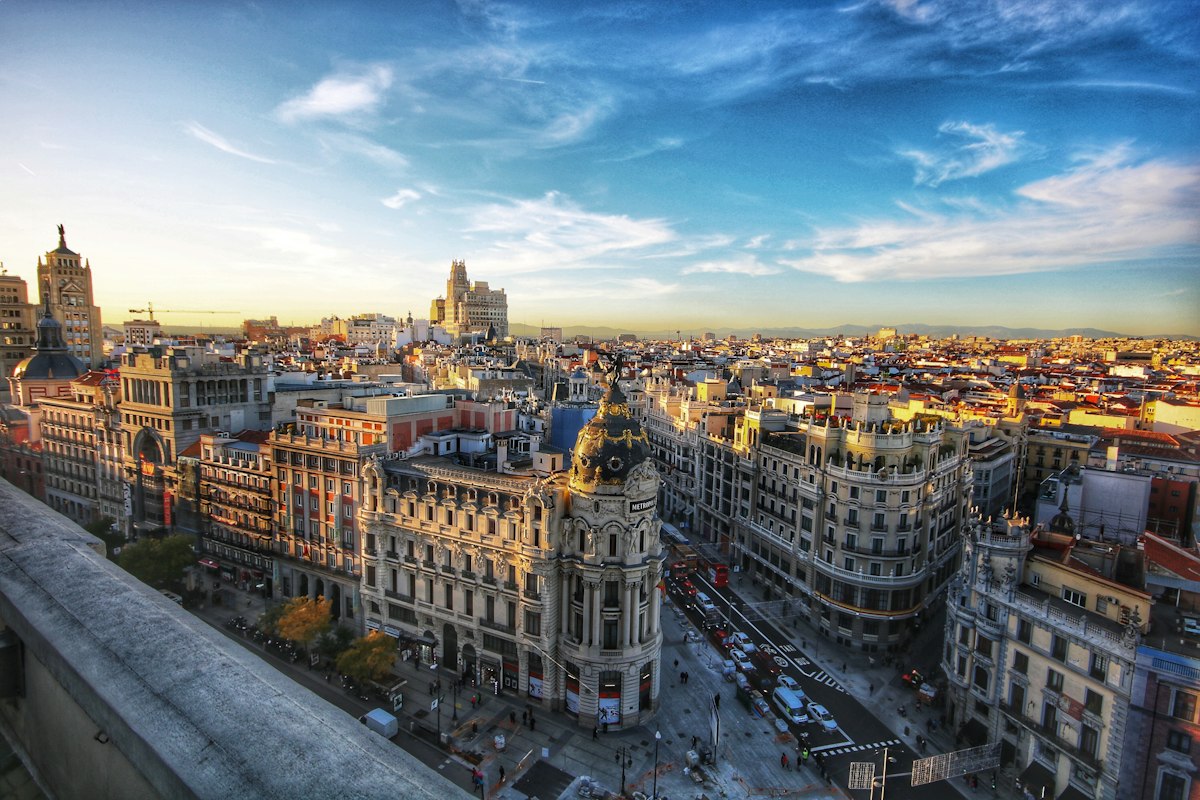
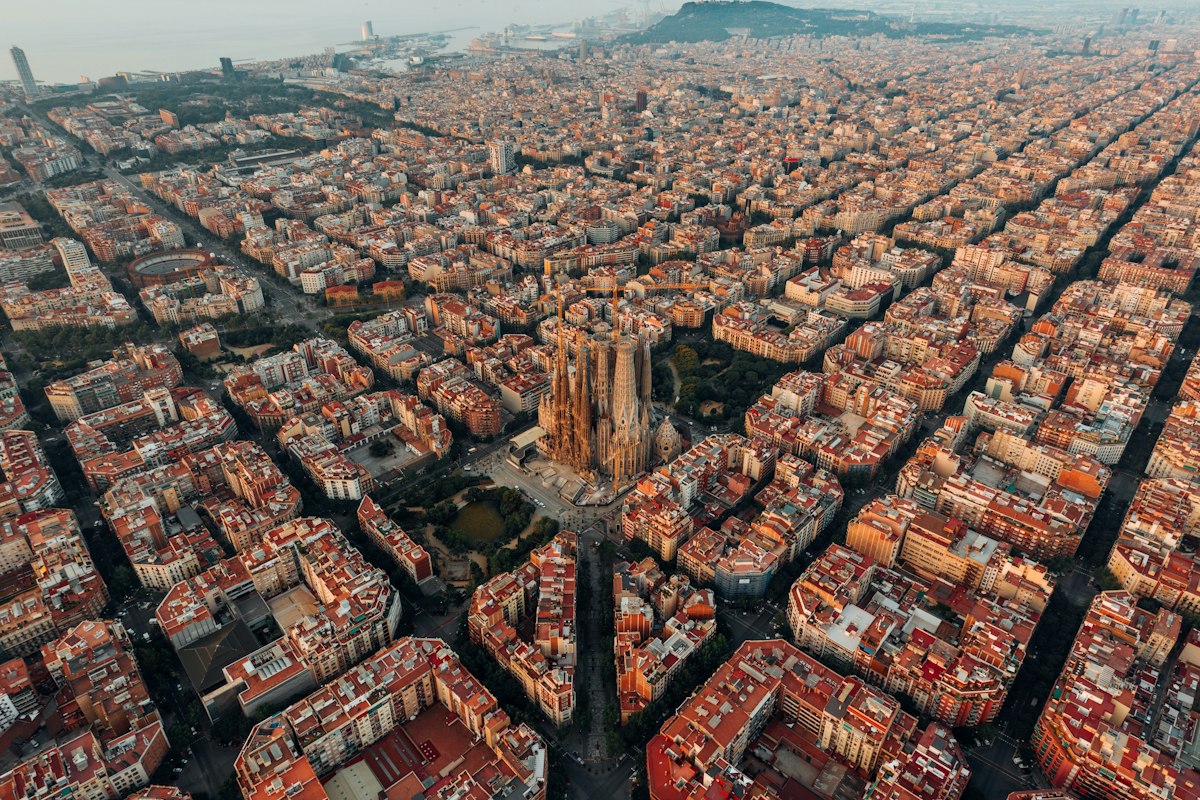
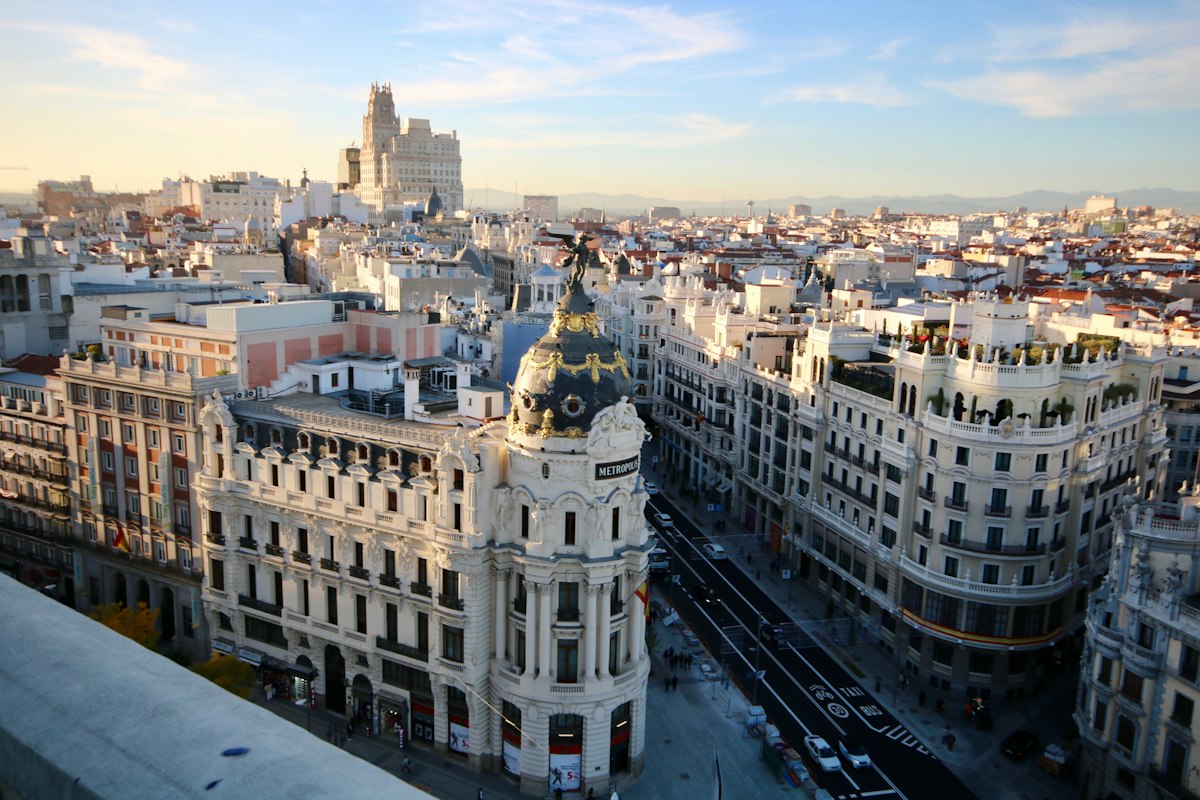
Barcelona and Madrid are the most expensive: €1,200–€2,000/mo for a furnished 1-bedroom in central areas. Valencia, Seville and Málaga offer much better value at €700–€1,200.
More cities in Spain

Recommended Guides
Guides to help you plan your move to Spain.
The Full Cost of Living Abroad: What Budget Guides Leave Out
The costs that relocation budget guides consistently undercount, insurance, flights home, school fees, tax com…
Easiest Digital Nomad Visas Right Now
The digital nomad visas that are actually easy to obtain in 2026, with clear income requirements, straightforw…
Raising Children Abroad: A Realistic Family Relocation Guide
What raising children internationally actually involves, international school costs, pediatric healthcare, saf…
Best Countries for Remote Workers
The countries that have built genuine infrastructure for remote work: evaluated on visa frameworks, internet q…
You might also like
Cities with a similar feel across other destinations.


Frequently asked questions
How much does it cost to live in Málaga?
Monthly budgets in Málaga range from $1,900 to $3,500 for a comfortable lifestyle. Typical housing options include Historic Center Apartments, Modern Condos, Suburban Houses.
Is Málaga good for expats?
Málaga is particularly well-suited for Sun Seekers, Beach Lovers, Retirees, Remote Workers, Artists. Key tradeoffs to be aware of: Smaller than Barcelona/Madrid; Very seasonal tourism; Car useful outside center. The city scores 7/10 for English-friendliness, making day-to-day life accessible without the local language.
How walkable is Málaga?
Málaga scores 7/10 for walkability and 6/10 for public transport. The primary commute mode is Walk, Bus, Car. Málaga-Costa del Sol Airport (8 min).
Is Málaga good for families?
Málaga scores 8/10 for family-friendliness, 7/10 for education access, and 8/10 for healthcare access. It is part of Spain, where international school costs run $650–$2,500/month. Madrid and Barcelona have a strong international school network, quality is generally high, though top-tier British and American schools often have waitlists.