
Living in Singapore, Singapore: Expat Guide
The world's most efficient city.
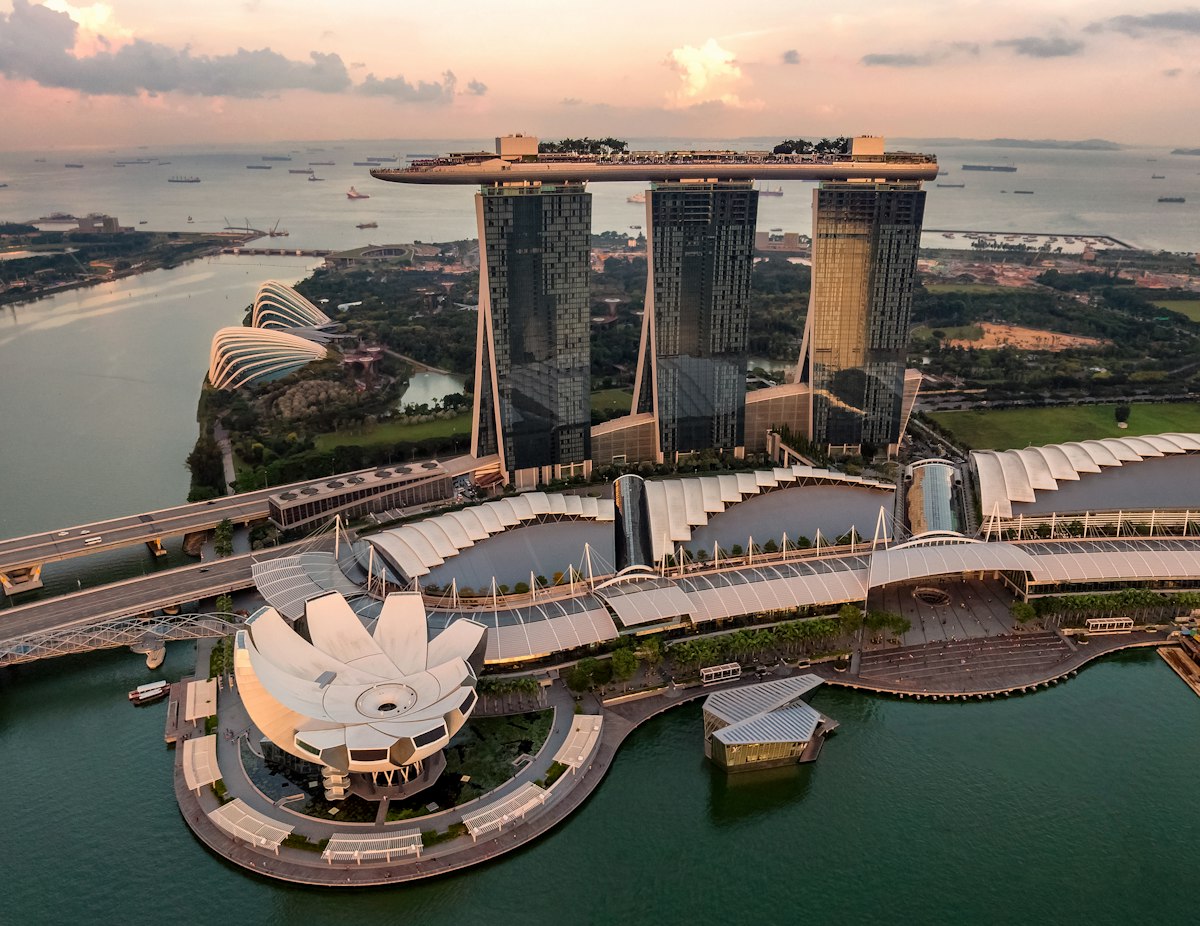
The world's most efficient city. Singapore's MRT, hawker centres, Changi Airport, and extraordinary safety make it Asia's default choice for the high-earning professional who has decided that infrastructure matters.
Living in Singapore means operating inside the world's most efficient city-state (a place where public transport runs every 3 minutes, hawker centres serve extraordinary food for $3–$5, and the airport is consistently rated the world's best. Expat life in Singapore concentrates in districts 9, 10, and 11 for families (Holland Village, Buona Vista), and in the CBD for finance and tech workers. Moving to Singapore cost of living runs $4,500–$8,000 per month for a full expatriate lifestyle. The reward is a city that simply works) exceptionally safe, multicultural by design, and positioned at Asia's crossroads.
Primary commute: MRT, Walk, Bus
City snapshot
This is usually where things get unclear.
Talk through your move with clarity
Free · 45 minutes
Get a clear read on your situation before you make a decision. We'll map what actually applies to you in Singapore, visa paths, cost reality, and the risks most people don't see coming.
Book a Call →Your personalized plan for Singapore
Your budget answers, mapped against the cities in Singapore: including this one: with neighborhood starting points and a clear cost picture for your move.
$49 · Delivered within 24 hours
City metrics
On the ground
Local Realities
Daily Life
- 01
Hawker centers are the great equaliser, three generations of a Singapore family eating at adjacent tables in a Maxwell Food Center or Lau Pa Sat is daily life, and the food (from S$4) is genuinely excellent.
- 02
The MRT is so reliable that not having a plan for when it's delayed feels unnecessary, and yet when it does experience disruption, the city's response is immediate and multimodal.
Reality
- 03
Owning a car requires a Certificate of Entitlement (COE) currently running SGD $100,000–$130,000 on top of the car price. Most expats use Grab, the MRT, and taxis.
Who thrives here
- Senior Finance and Tech Professionals
- Regional Headquarters
- Families Requiring Top Schools
- High-Earners
Honest tradeoffs
- —Among world's most expensive
- —No digital nomad visa
- —Small geography
- —Strict legal environment
Typical housing options
Start here
Also worth knowing
Start with a short-term furnished rental for your first 4–8 weeks, it gives you time to explore neighborhoods in person before committing to a long-term lease.
More cities in Singapore


Recommended Guides
Guides to help you plan your move to Singapore.
Cost of Living in Singapore: The Honest Expat Breakdown
A detailed breakdown of what Singapore actually costs, housing, food, transport, healthcare, and what a comfor…
Easiest Digital Nomad Visas Right Now
The digital nomad visas that are actually easy to obtain in 2026, with clear income requirements, straightforw…
Raising Children Abroad: A Realistic Family Relocation Guide
What raising children internationally actually involves, international school costs, pediatric healthcare, saf…
Best Countries for Remote Workers
The countries that have built genuine infrastructure for remote work: evaluated on visa frameworks, internet q…
You might also like
Cities with a similar feel across other destinations.



Frequently asked questions
How much does it cost to live in Singapore?
Monthly budgets in Singapore range from $4,000 to $8,000 for a comfortable lifestyle. Typical housing options include Private Condominiums, HDB Flats, Landed Houses, Serviced Apartments.
Is Singapore good for expats?
Singapore is particularly well-suited for Senior Finance and Tech Professionals, Regional Headquarters, Families Requiring Top Schools, High-Earners. Key tradeoffs to be aware of: Among world's most expensive; No digital nomad visa; Small geography; Strict legal environment. The city scores 10/10 for English-friendliness, making day-to-day life accessible without the local language.
How walkable is Singapore?
Singapore scores 7/10 for walkability and 10/10 for public transport. The primary commute mode is MRT, Walk, Bus. Changi Airport (SIN), 30 min by MRT; consistently world's best.
Is Singapore good for families?
Singapore scores 8/10 for family-friendliness, 10/10 for education access, and 10/10 for healthcare access. It is part of Singapore, where international school costs run $1,650–$4,150/month. International schools in Singapore are among Asia's most expensive, top schools like United World College and Tanglin Trust run S$35,000–S$55,000 per year. Demand exceeds supply at top schools.