Living in Tokyo, Japan: Expat Guide
The world's greatest city, by almost any functional measure.
The world's greatest city, by almost any functional measure. Incomparably safe, efficient, delicious, and endlessly fascinating. The challenge is staying.
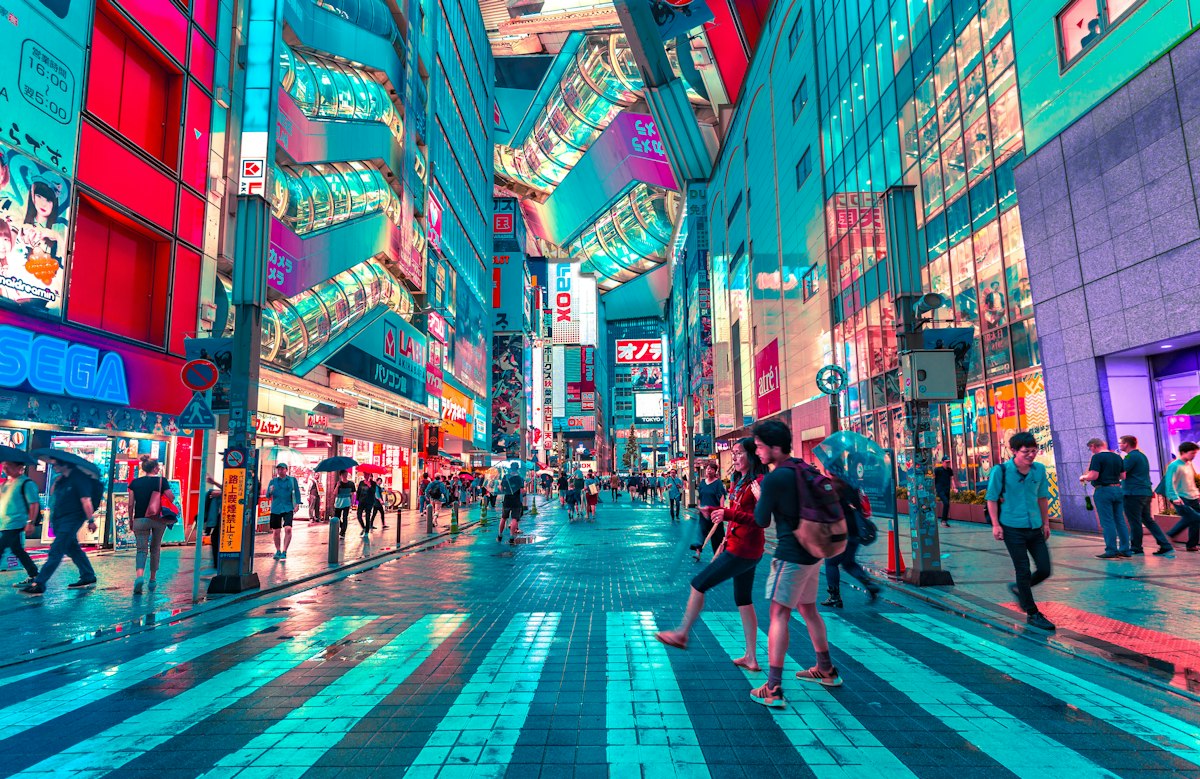
Living in Tokyo, Japan is as close to a perfect city as exists (and the difficulty of getting and staying there is part of what keeps it that way. Expat life in Tokyo concentrates in Shibuya, Shinjuku, Minato, and the increasingly popular Shimokitazawa and Koenji for a more local character. Moving to Tokyo cost of living runs $2,500–$5,500 per month) moderate given what the city delivers. Tokyo for remote workers means the world's most reliable train system, broadband that leads global rankings, private healthcare at a fraction of US costs, and a food culture that operates at an extraordinary level from convenience store to three-Michelin-star. The apartment size is a genuine trade: central Tokyo apartments are compact, and the typical 1K or 1LDK runs under 40 square meters. Japanese language is essential for anything beyond the tourist surface.
Primary commute: Trains (world-best), Walk, Bike
City snapshot
This is usually where things get unclear.
Talk through your move with clarity
Free · 45 minutes
Get a clear read on your situation before you make a decision. We'll map what actually applies to you in Japan, visa paths, cost reality, and the risks most people don't see coming.
Book a Call →Your personalized plan for Japan
Your budget answers, mapped against the cities in Japan: including this one: with neighborhood starting points and a clear cost picture for your move.
$49 · Delivered within 24 hours
City metrics
On the ground
Local Realities
Daily Life
- 01
Tokyo's train network is the world's most reliable and comprehensive, most residents never need a car, and proximity to a major station effectively determines quality of life.
- 02
Japanese apartments are measured in tatami mats, a 1R (one room) in central Tokyo is often under 25 square meters, and space is a genuine tradeoff for central location.
Culture
- 03
Japan's social contract around public behavior (quiet trains, queuing without crowding, recycling by category) is followed with genuine commitment. Visible indifference marks a person as an outsider.
Reality
- 04
The digital nomad visa requires ¥10 million/year ($65k+ USD) in income and domestic health insurance, requirements that exclude most freelancers and require careful preparation.
- 05
Japanese language is essential for real daily life outside central Tokyo and tourist zones, reading medical forms, signing leases, and navigating government offices requires at least basic literacy.
Who thrives here
- Tech Professionals
- Foodies
- Culture Enthusiasts
- Safety-Conscious Families
Honest tradeoffs
- —Japanese essential for real life
- —Apartments are small
- —High cost for space
- —Work culture intense
Typical housing options
Start here
Also worth knowing
Start with a short-term furnished rental for your first 4–8 weeks, it gives you time to explore neighborhoods in person before committing to a long-term lease.
More cities in Japan


Recommended Guides
Guides to help you plan your move to Japan.
The Full Cost of Living Abroad: What Budget Guides Leave Out
The costs that relocation budget guides consistently undercount, insurance, flights home, school fees, tax com…
Easiest Digital Nomad Visas Right Now
The digital nomad visas that are actually easy to obtain in 2026, with clear income requirements, straightforw…
Raising Children Abroad: A Realistic Family Relocation Guide
What raising children internationally actually involves, international school costs, pediatric healthcare, saf…
Best Countries for Remote Workers
The countries that have built genuine infrastructure for remote work: evaluated on visa frameworks, internet q…
You might also like
Cities with a similar feel across other destinations.


Frequently asked questions
How much does it cost to live in Tokyo?
Monthly budgets in Tokyo range from $2,500 to $5,500 for a comfortable lifestyle. Typical housing options include Apartments (compact), Machiya (in suburbs), Share Houses.
Is Tokyo good for expats?
Tokyo is particularly well-suited for Tech Professionals, Foodies, Culture Enthusiasts, Safety-Conscious Families. Key tradeoffs to be aware of: Japanese essential for real life; Apartments are small; High cost for space; Work culture intense. The city scores 5/10 for English-friendliness, making day-to-day life easier with some knowledge of Japan's local language.
How walkable is Tokyo?
Tokyo scores 9/10 for walkability and 10/10 for public transport. The primary commute mode is Trains (world-best), Walk, Bike. Narita (NRT) and Haneda (HND), both world-class.
Is Tokyo good for families?
Tokyo scores 9/10 for family-friendliness, 10/10 for education access, and 10/10 for healthcare access. It is part of Japan, where international school costs run $1,250–$3,300/month. Tokyo's international schools rank among Asia's best but are highly competitive, waitlists at leading institutions can span years, and early enrollment planning is essential.