
Moving to Netherlands: Expat Guide & Relocation Hub
Monthly cost
$2,800–6,000
per month, expat lifestyle
Visa friction
Remote
Welcomed
Family fit
9/10
Language barrier
Low
Healthcare
9/10
Quick take
The most English-friendly country in Continental Europe.
Essential context
Before you move here
Cost
$2,800–$6,000/month covers a comfortable expat lifestyle. City-center rent typically runs $1,600–$2,800/month.
Visa path
Friction rated: Moderate, manageable with preparation. 30% Tax Ruling is available.
Remote work
Remote income is welcomed. Broadband is rated excellent, coworking widespread.
Healthcare
Quality scores 9/10. Private insurance typically runs $130–$300/month per person.
Daily life
English is widely spoken, integration barrier is low. Setting: Flat, Cycling-Friendly.
Remote income welcomed, $2,800–$6,000/mo, strong family infrastructure, Netherlands works on multiple axes.
The most English-friendly country in Continental Europe. Outstanding quality of life, cycling culture, and the DAFT (Dutch-American Friendship Treaty) provide unique opportunities.
Moving to the Netherlands is one of the smoothest transitions available for English-speaking expats in Continental Europe. The cost of living in the Netherlands is high by European standards: Amsterdam runs $3,000–$6,000 per month, while Rotterdam, Utrecht, and the Hague offer comparable quality of life at $2,500–$4,500. The Netherlands expat visa situation is notably accessible for skilled workers and entrepreneurs (the Highly Skilled Migrant Permit, EU Blue Card, and DAFT (Dutch-American Friendship Treaty for Americans) all provide clear pathways. The famous 30% Ruling tax benefit) which exempts up to 30% of salary from Dutch income tax for qualifying imported workers (is being phased down, so verify current terms before relying on it. The Netherlands for remote workers and digital nomads scores highly on every infrastructure metric: exceptional broadband, widespread coworking, and one of the world's most bike-friendly urban environments. The weather) grey, wet, and often cold, is the most common complaint. For families, the international school network around The Hague and Amsterdam is extensive and well-regarded.
Good for
Fit assessment
This move works well if you...
- ✓English-speaking Expats
- ✓Tech & Finance Professionals
- ✓Cycling Enthusiasts
- ✓Families valuing education
Pause and reconsider if...
- —Very high cost of living
- —Competitive housing market
- —Grey winters
- —Small country, easy to feel constrained
The full guide includes a "Not For You" section with detailed deal-breakers specific to Netherlands. Download the guide →
Cost Breakdown (Monthly)
Typical monthly estimate for a single expat. Approximate costs in USD.
Rent (City Center)
1-bedroom, monthly
$1,600–$2,800
Rent (Outside Center)
1-bedroom, monthly
$1,200–$2,000
Groceries
single person, monthly
$350–$500
Dining Out
casual meals, monthly estimate
$18–$30
Utilities
electricity, water, internet
$150–$250
Transport
local transport, monthly
$100–$140
Approximate costs only. Local prices vary with exchange rates and neighborhood. Expat-heavy areas typically run higher.
Budget by household type
How much does it actually cost?
Solo
$2,800–$4,060
/month
Varies by city
Couple
$4,200–$6,000
/month
City center or suburbs
Family of 4
$6,000–$9,900
/month
Major city recommended
Ranges based on EMELA research. Actual costs vary by city, lifestyle, and housing choice. Build your personal estimate →
Work & visa readiness
Moderate complexity, manageable with preparation; professional help is common
The Netherlands is exceptionally accessible for skilled workers and highly educated talent. The 30% Ruling (tax benefit) for expat employees is notable. Americans benefit from DAFT. The orientation year permit allows recent graduates to explore opportunities.
Programs & incentives
- 30% Tax Ruling
- DAFT (Dutch-American Friendship Treaty)
- Highly Skilled Migrant Permit
Visa assistance
Need help with visas?
Navigating Netherlands's visa process can involve document checklists, translations, and specific submission windows.
Check visa options →Quality of Life
How life actually feels here
Daily Life
Low barrier
Family
Mobility
Airport access
Excellent. Amsterdam Schiphol (AMS) is one of Europe's busiest and best-connected airports.
Social reality for newcomers
The Netherlands is one of Europe's most internationally oriented countries, and Amsterdam, Rotterdam, and The Hague host large diverse communities. Dutch directness can feel blunt to those expecting social warmth, but it is rarely discriminatory, the same directness applies equally. Black expats in major Dutch cities generally report positive daily experiences, with the Netherlands having a large Surinamese and Antillean community that normalises Black presence. Rotterdam is notably diverse and multicultural in feel. Smaller towns and rural areas are less diverse, but the Dutch pragmatic openness tends to travel. Historical and ongoing conversations around racial representation are active in Dutch society, which reflects genuine engagement rather than denial.
Some variation exists between major cities and smaller towns.
Healthcare (Expat Reality)
Typical costs for private care. Not medical advice, ranges are approximate.
Monthly insurance
$130–$300
private health insurance, per person
Doctor visit
$20–$60
general practitioner, out-of-pocket
Major procedures
Major procedures are covered under the statutory system with minimal co-pays.
Basic health insurance is mandatory; expats register with a GP after arrival.
International school costs
Typical annual tuition
$12,000 – $35,000
per year, international schools
Approximate monthly equivalent
$1,000 – $2,900
per child, per month
Expat reality
The Netherlands has one of Europe's most developed international school systems, particularly around The Hague, Amsterdam, and Rotterdam, where standards are high.
Ranges reflect international / private schools. Public schooling is available at little or no cost in most countries.
On the ground
Local Realities
Daily Life
- 01
Cycling is not a lifestyle choice in the Netherlands, it is how daily life functions, and most residents cycle for groceries, work, and social visits year-round.
- 02
The housing market in Amsterdam is among the most competitive in Europe, rental waiting lists can run years, and most newcomers rely on expensive private agencies.
Culture
- 03
Dutch directness is cultural, not personal, blunt feedback and unapologetic honesty in professional and social settings are the norm, not the exception.
Reality
- 04
The 30% ruling has been reduced and is being phased down, verify current eligibility and terms before factoring it into financial planning.
- 05
Grey, wet winters in the Netherlands are long, seasonal affective disorder is common among newcomers from sunnier climates, and the adjustment is real.
The honest reality check
The Netherlands is expensive. Amsterdam rents rival London. Outside the Randstad (Amsterdam/Rotterdam/The Hague), costs drop significantly. The housing market is notoriously competitive. Grey winters and flat landscapes are an acquired taste.
Common tradeoffs to expect
Cities in Netherlands
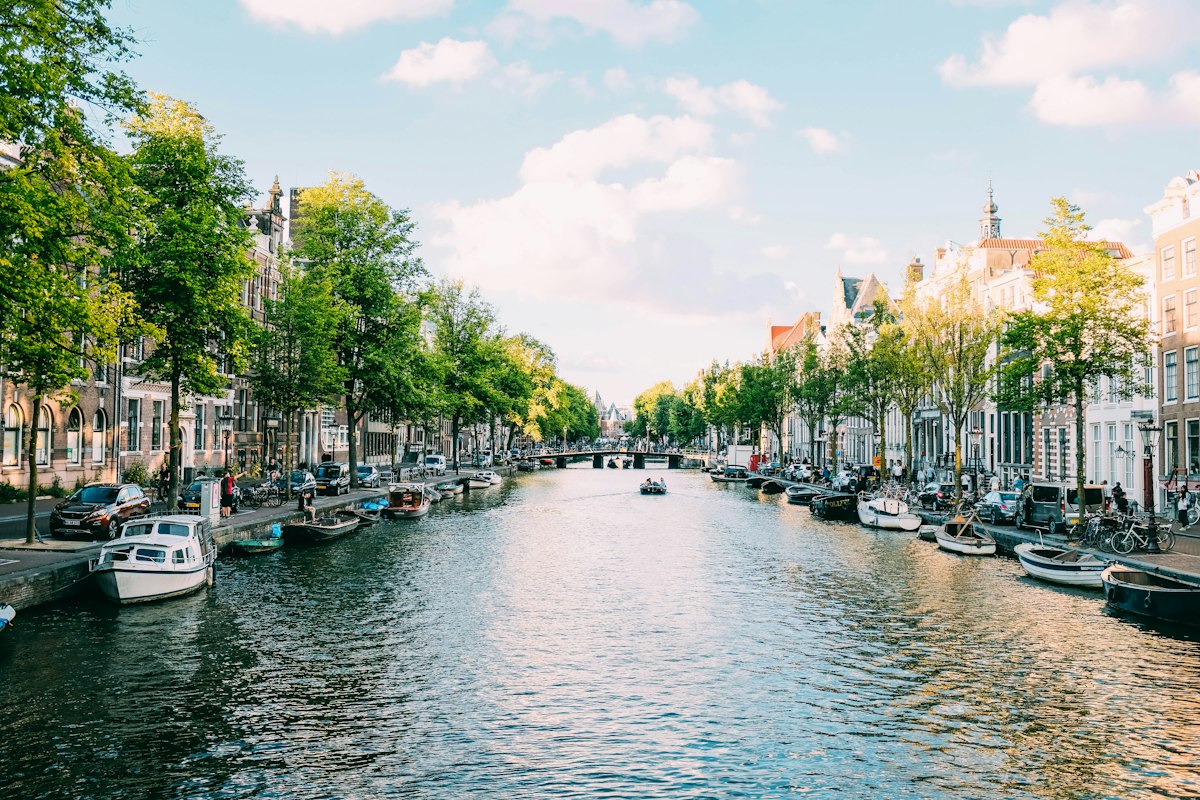


Start here
The guides most relevant to your move.
The Full Cost of Living Abroad: What Budget Guides Leave Out
The costs that relocation budget guides consistently undercount, insurance, flights home, school fees, tax compliance, i…
Easiest Digital Nomad Visas Right Now
The digital nomad visas that are actually easy to obtain in 2026, with clear income requirements, straightforward applic…
Raising Children Abroad: A Realistic Family Relocation Guide
What raising children internationally actually involves, international school costs, pediatric healthcare, safety, socia…
Best Countries for Remote Workers
The countries that have built genuine infrastructure for remote work: evaluated on visa frameworks, internet quality, ti…
The Netherlands Relocation Guide, 2026
Research-grade · Delivered to your email
What's inside
- Budget breakdown by household type (Solo, Couple, Family)
- Visa pathway comparison with income requirements
- City deep-dives, 4 cities with neighborhood picks
- 90-day landing plan (Day 1–30, 31–60, 61–90)
- Banking, tax ID & lease practicalities
- Common mistakes and how to avoid them
- Monthly budget
- $2,800–$6,000 / month
- Visa complexity
- medium
Free · No paywall · Sent to your inbox
Typical housing
Other details
Prominent religion
Protestant / Secular
Cannabis status
Cannabis: ToleratedStart here
Also worth knowing
Amsterdam is brutally competitive: €1,800–€3,000/mo for a furnished 1-bedroom in central areas. Rotterdam and The Hague are 20–35% cheaper and well-connected by train.
Personal income tax rate
36.97–49.5% (effective rate reduced with 30% Ruling)
Expat provision
30% Ruling: up to 30% of salary tax-free for qualifying expat employees for up to 5 years. Currently being phased down, verify current terms.
The Netherlands taxes worldwide income. The 30% Ruling is the headline expat benefit but has been reduced and is under further review, do not plan long-term finances around it without checking current legislation.
Tax laws change, verify current rules with a qualified tax adviser familiar with Netherlands.
Legal status
Same-sex marriage legal since 2001 (world's first)
The Netherlands was the first country in the world to legalize same-sex marriage. Amsterdam is one of Europe's most celebrated LGBTQ+ cities.
Broadband
ExcellentMobile data
ExcellentCoworking spaces
WidespreadTypical coworking day pass
$25–$50 USD/day
Required vaccinations / documents
EU Pet Passport accepted. ISO microchip and rabies vaccination required. No quarantine from EU or approved third countries. The Netherlands is pet-friendly in daily life, though some Amsterdam apartments restrict pets, verify lease terms.
Summary only, verify current official requirements before travel.
Practical tools
International Banking
Moving money across borders
Most people relocating abroad open a multi-currency account before they arrive. It handles international transfers more cleanly than a domestic bank and avoids the conversion fees that add up quickly.
See how Wise works →International Health Insurance
Health coverage for long-term expats
Standard travel insurance typically does not cover long-term residency abroad. Expat-specific health coverage is worth reviewing early — before any pre-existing conditions become a documentation issue.
Review SafetyWing coverage →Visa Processing
Navigating the application process
For many destinations, visa applications involve document checklists, translations, and specific submission windows. A processing service checks eligibility and handles the paperwork — common for first-time applications.
Check visa eligibility →
Next Step
Get clear before you decide
Most people reach this point and realize the details matter more than expected, visas, real costs, and what actually applies to them. This is where we help you make a confident decision.
Talk through your move with clarity
Apply for a free 30 minute call with one of our relocation specialists
Apply for a Call →Your personalized plan for Netherlands
City comparisons and neighborhood starting points, built around your quiz and budget answers.
$49 · Delivered within 24 hours
Quick reference · 2026
Netherlands. Key facts for expats
Monthly budget (solo)
$2,800–$6,000
Visa entry
Moderate process
Remote-work readiness
Remote income welcomed · Broadband: excellent
Best city for remote workers
Family viability
Highly family-friendly (9/10) · Healthcare: 9/10
Tax system
worldwide · Resident after 183 days
Why people move to Netherlands in 2026
Moving to the Netherlands is one of the smoothest transitions available for English-speaking expats in Continental Europe. The cost of living in the Netherlands is high by European standards: Amsterdam runs $3,000–$6,000 per month, while Rotterdam, Utrecht, and the Hague offer comparable quality of life at $2,500–$4,500. The Netherlands expat visa situation is notably accessible for skilled workers and entrepreneurs (the Highly Skilled Migrant Permit, EU Blue Card, and DAFT (Dutch-American Friendship Treaty for Americans) all provide clear pathways. The famous 30% Ruling tax benefit) which exempts up to 30% of salary from Dutch income tax for qualifying imported workers (is being phased down, so verify current terms before relying on it. The Netherlands for remote workers and digital nomads scores highly on every infrastructure metric: exceptional broadband, widespread coworking, and one of the world's most bike-friendly urban environments. The weather) grey, wet, and often cold, is the most common complaint. For families, the international school network around The Hague and Amsterdam is extensive and well-regarded.
Frequently asked questions
How much does it cost to live in Netherlands?
Living in Netherlands typically costs $2,800–$6,000 per month for a comfortable expat lifestyle. A one-bedroom apartment in the city center rents for $1,600–$2,800/month; outside the center, expect $1,200–$2,000/month. Monthly groceries run $350–$500 and transport around $100–$140.
What visa do I need to move to Netherlands?
The Netherlands is exceptionally accessible for skilled workers and highly educated talent. The 30% Ruling (tax benefit) for expat employees is notable. Americans benefit from DAFT. The orientation year permit allows recent graduates to explore opportunities. Available relocation programs include: 30% Tax Ruling, DAFT (Dutch-American Friendship Treaty), Highly Skilled Migrant Permit.
Is Netherlands good for remote workers?
Netherlands is well-suited for remote workers. Internet infrastructure is rated excellent, with coworking spaces widespread across the country at approximately $25–50/day. Mobile data reliability is excellent.
What is healthcare like in Netherlands for expats?
Netherlands scores 9/10 for healthcare quality. Basic health insurance is mandatory; expats register with a GP after arrival. Expat health insurance typically costs $130–$300/month, with a typical doctor visit around $20–$60.
What are the tax implications of moving to Netherlands?
The Netherlands taxes worldwide income. The 30% Ruling is the headline expat benefit but has been reduced and is under further review, do not plan long-term finances around it without checking current legislation. 30% Ruling: up to 30% of salary tax-free for qualifying expat employees for up to 5 years. Currently being phased down, verify current terms. Netherlands uses a worldwide income tax system with personal rates of 36.97–49.5% (effective rate reduced with 30% Ruling). Tax residency is generally triggered after 183 days in-country.
Similar destinations to consider



Quick take
The most English-friendly country in Continental Europe.
Best for
Thinking About Making The Move? We're Here to Help.
Talk through your move with clarity
Apply for a free 30 minute call with one of our relocation specialists
We'll break down what actually applies to you, visa paths, real costs, and the risks most people don't see coming.
Apply for a Call →Your personalized plan for Netherlands
Your quiz and budget answers, mapped against the main cities: with neighborhood starting points and a realistic cost picture for your situation.
$49 · Delivered within 24 hours