
Living in The Hague, Netherlands: Expat Guide
The world's international legal capital and the Netherlands' diplomatic city, home to the ICC, ICJ, NATO, Europol, and 160+ international organizations, with a structured expat community and direct beach access at Scheveningen.
The world's international legal capital and the Netherlands' diplomatic city, home to the ICC, ICJ, NATO, Europol, and 160+ international organizations, with a structured expat community and direct beach access at Scheveningen.
Living in The Hague, Netherlands means the world's most concentrated international institutional environment (the International Criminal Court, International Court of Justice, NATO, Europol, the Organisation for the Prohibition of Chemical Weapons, and 160+ other international organizations create an expat community with a structure and scale found nowhere else in Europe. Expat life in The Hague concentrates in the Statenkwartier, Bezuidenhout, Escamp, and the seafront suburb of Scheveningen) 5 km of North Sea beach accessible by tram. Moving to The Hague cost of living runs $2,800–$5,500 per month. The Hague for internationally mobile professionals delivers the Netherlands' full infrastructure (English as a functional daily language, high-quality international schools, universal healthcare) in a city where the institutional circuit creates social networks that other European cities cannot replicate. The honest tradeoffs: housing costs have been pushed up by international demand, and The Hague's relative sedate character compared to Amsterdam is a feature for some and a limitation for others.
Primary commute: Tram, Bicycle, Train
City snapshot
This is usually where things get unclear.
Talk through your move with clarity
Free · 45 minutes
Get a clear read on your situation before you make a decision. We'll map what actually applies to you in Netherlands, visa paths, cost reality, and the risks most people don't see coming.
Book a Call →Your personalized plan for Netherlands
Your budget answers, mapped against the cities in Netherlands: including this one: with neighborhood starting points and a clear cost picture for your move.
$49 · Delivered within 24 hours
City metrics
On the ground
Local Realities
Daily Life
- 01
The Hague's international community has built its own social infrastructure (the American Women's Club, the International Newcomers' Network, the International School's parent community) and new arrivals find an organized welcome that more cosmopolitan but less institutionally structured cities cannot provide.
- 02
Scheveningen beach (accessible by tram 9 from the city center in 20 minutes) is a genuine urban beach infrastructure: the Kurhaus boulevard, seafood restaurants, and the North Sea's dramatic winter mood make it a year-round destination rather than a summer-only amenity.
Culture
- 03
The Mauritshuis museum (housing Vermeer's Girl with a Pearl Earring and Rembrandt's The Anatomy Lesson of Dr. Nicolaes Tulp) is one of Europe's finest small museums, and its location in the center of a city of 550,000 means it's accessible without the queue dynamics of the Louvre or the Rijksmuseum.
Reality
- 04
The Hague's international school system is extensive by European standards, the American School of The Hague, The Hague International School, and multiple international programmes within Dutch schools cater specifically to the diplomatic and institutional community's mobility requirements.
- 05
Housing in The Hague's desirable international neighborhoods (Statenkwartier, Benoordenhout) is competitive and expensive by Dutch standards, international institutional salaries drive demand, and the rental market moves quickly. Newcomers benefit from engaging a relocation agent familiar with the institutional community's timing cycles.
Who thrives here
- International Organization Employees
- Diplomats and Legal Professionals
- Expat Families
- Those seeking structured international community
- Beach and City Combination Seekers
Honest tradeoffs
- —More expensive than Rotterdam or Utrecht
- —Amsterdam proximity means some cultural gravity pulls toward Amsterdam
- —The Hague's scale can feel sedate compared to Amsterdam
- —Housing demand from international community drives prices
Typical housing options
Start here
Also worth knowing
Amsterdam is brutally competitive: €1,800–€3,000/mo for a furnished 1-bedroom in central areas. Rotterdam and The Hague are 20–35% cheaper and well-connected by train.

More cities in Netherlands
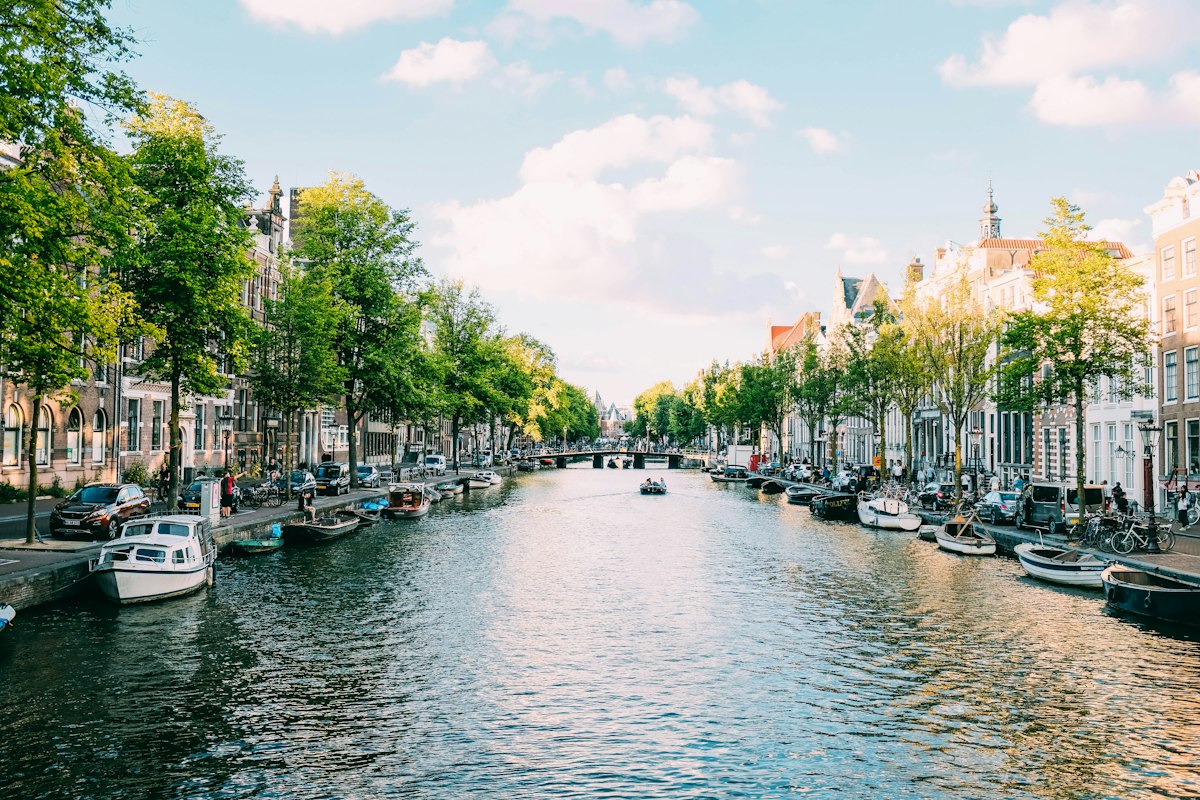


Recommended Guides
Guides to help you plan your move to Netherlands.
The Full Cost of Living Abroad: What Budget Guides Leave Out
The costs that relocation budget guides consistently undercount, insurance, flights home, school fees, tax com…
Easiest Digital Nomad Visas Right Now
The digital nomad visas that are actually easy to obtain in 2026, with clear income requirements, straightforw…
Raising Children Abroad: A Realistic Family Relocation Guide
What raising children internationally actually involves, international school costs, pediatric healthcare, saf…
Best Countries for Remote Workers
The countries that have built genuine infrastructure for remote work: evaluated on visa frameworks, internet q…
You might also like
Cities with a similar feel across other destinations.


Frequently asked questions
How much does it cost to live in The Hague?
Monthly budgets in The Hague range from $2,800 to $5,500 for a comfortable lifestyle. Typical housing options include Statenkwartier Townhouses, Scheveningen Seafront Apartments, Bezuidenhout Modern Blocks, Ypenburg Suburbs.
Is The Hague good for expats?
The Hague is particularly well-suited for International Organization Employees, Diplomats and Legal Professionals, Expat Families, Those seeking structured international community, Beach and City Combination Seekers. Key tradeoffs to be aware of: More expensive than Rotterdam or Utrecht; Amsterdam proximity means some cultural gravity pulls toward Amsterdam; The Hague's scale can feel sedate compared to Amsterdam; Housing demand from international community drives prices. The city scores 10/10 for English-friendliness, making day-to-day life accessible without the local language.
How walkable is The Hague?
The Hague scores 8/10 for walkability and 9/10 for public transport. The primary commute mode is Tram, Bicycle, Train. Amsterdam Schiphol (AMS), 45 min by direct train; Rotterdam The Hague Airport (RTM), 15 min for European routes.
Is The Hague good for families?
The Hague scores 9/10 for family-friendliness, 10/10 for education access, and 10/10 for healthcare access. It is part of Netherlands, where international school costs run $1,000–$2,900/month. The Netherlands has one of Europe's most developed international school systems, particularly around The Hague, Amsterdam, and Rotterdam, where standards are high.